
Build a Meshtastic Solar Node That Lasts 150+ Hours!
Published by Vivian van Zyl in Meshtastic the 05/21/2025 at 08:19 pm

Welcome to an exciting project that combines innovation, efficiency, and sustainability: the Meshtastic Solar Node. Designed and developed by Vivian Van Zyl from LoraMeshDevices.com, this solar-powered mobile node harnesses the power of the Heltech T114 module, a 2000mAh battery, and a custom MPPT charge controller to create a compact, low-power device that lasts for over 150 hours without needing a recharge. Whether you're into IoT, Meshtastic networking, or simply love clever tech builds, this article will guide you through the concept, design, and functionality of this remarkable solar mobile node.
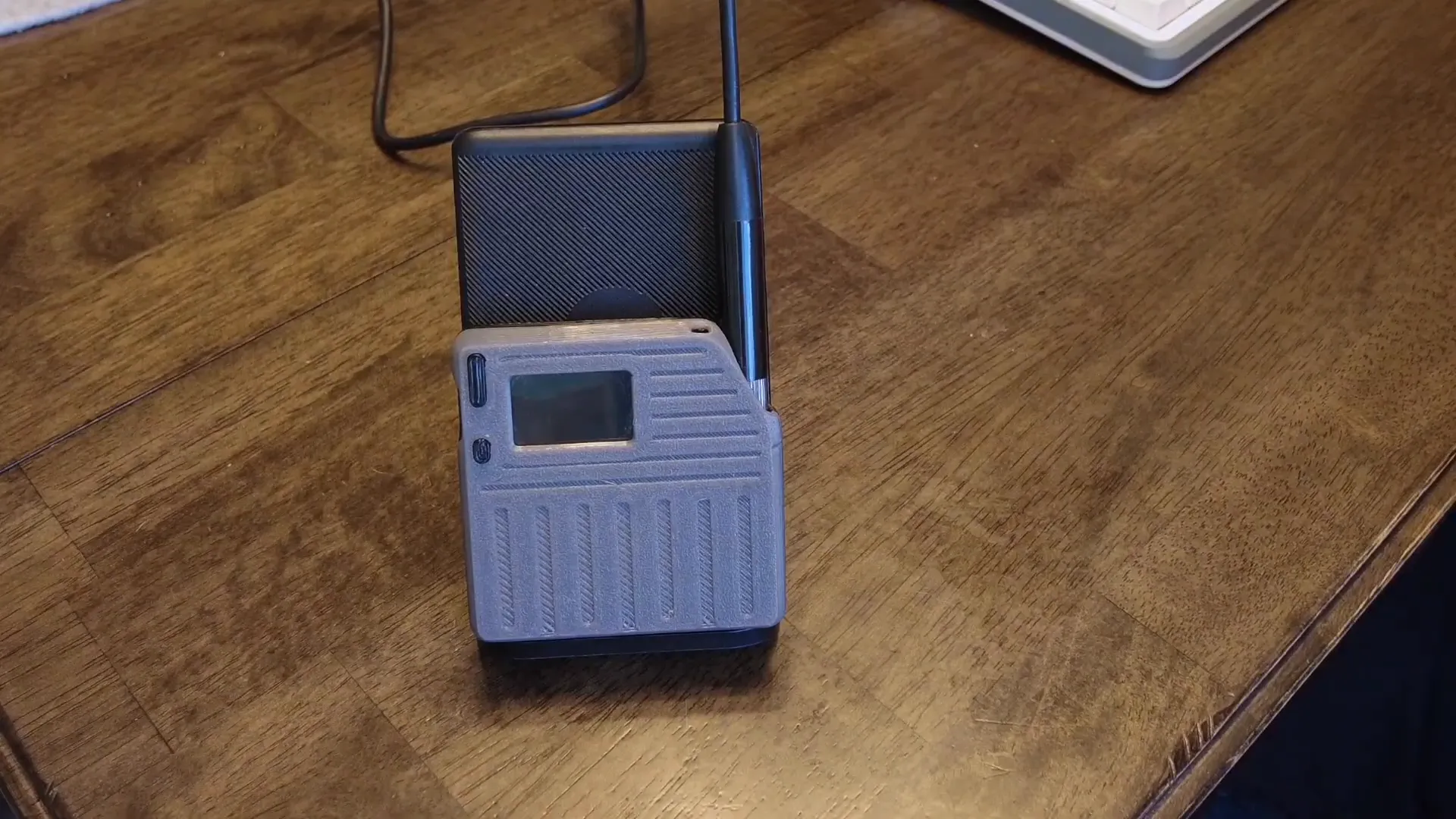
Table of Contents
- Why Build a Meshtastic Solar Node?
- Inside the Case: Components and Assembly
- Charging the Node Using Solar Power
- Design Highlights and User Experience
- Why the Heltech T114 is Ideal for a Meshtastic Solar Node
- How to Get Started with Your Own Meshtastic Solar Node
- Frequently Asked Questions (FAQ)
- Conclusion
Why Build a Meshtastic Solar Node?
At first glance, the idea of a solar-powered Meshtastic node might seem niche—after all, who really needs a mobile solar node? But this project is a perfect example of how innovation can meet practical needs in unexpected ways. The Heltech T114 is an excellent choice for mobile nodes because of its incredibly low power consumption. When the screen is off, it draws only about 10 milliamps of current.
Paired with a 2000mAh battery, this little device can run continuously for more than 150 hours—roughly a week—without needing a recharge. That kind of endurance makes it ideal for remote IoT applications, emergency communications, or simply experimenting with long-lasting mesh networks.
Adding a solar panel to the mix takes this endurance even further. The solar panel generates around 30 milliamps under sunlight, which is more than enough to power the device and recharge the battery simultaneously. This means that even if you forget to charge the node before heading out, simply placing it in the sun will replenish its battery, allowing for extended autonomous operation.
Inside the Case: Components and Assembly
The heart of this project is the Heltech T114 module. This compact device is designed for low-power wireless communication and is perfect for mesh networking projects like Meshtastic. The case housing the node was originally designed to fit a 3000mAh battery, but to accommodate the MPPT (Maximum Power Point Tracking) charge controller and the solar panel, a 2000mAh battery was chosen instead.
Inside the case, you'll find:
- The Heltech T114 module, responsible for the node's communication and processing.
- A 2000mAh lithium rechargeable battery, providing the power reserve.
- A compact MPPT charge controller, which optimizes the solar panel's output to efficiently charge the battery.
- A small polycrystalline solar panel mounted on the back of the case.
- Function and reset buttons mounted on the case for user interaction.
- An SMA connector with antenna for wireless communication.
The MPPT charge controller is a critical component. It manages the solar panel's energy conversion, ensuring that the battery is charged efficiently and safely. One of the clever design choices was to have the solar charging system work independently of the Heltech module. This means you can turn off the Heltech T114, and the solar panel will still charge the battery via the MPPT controller, even when the node itself is powered down.
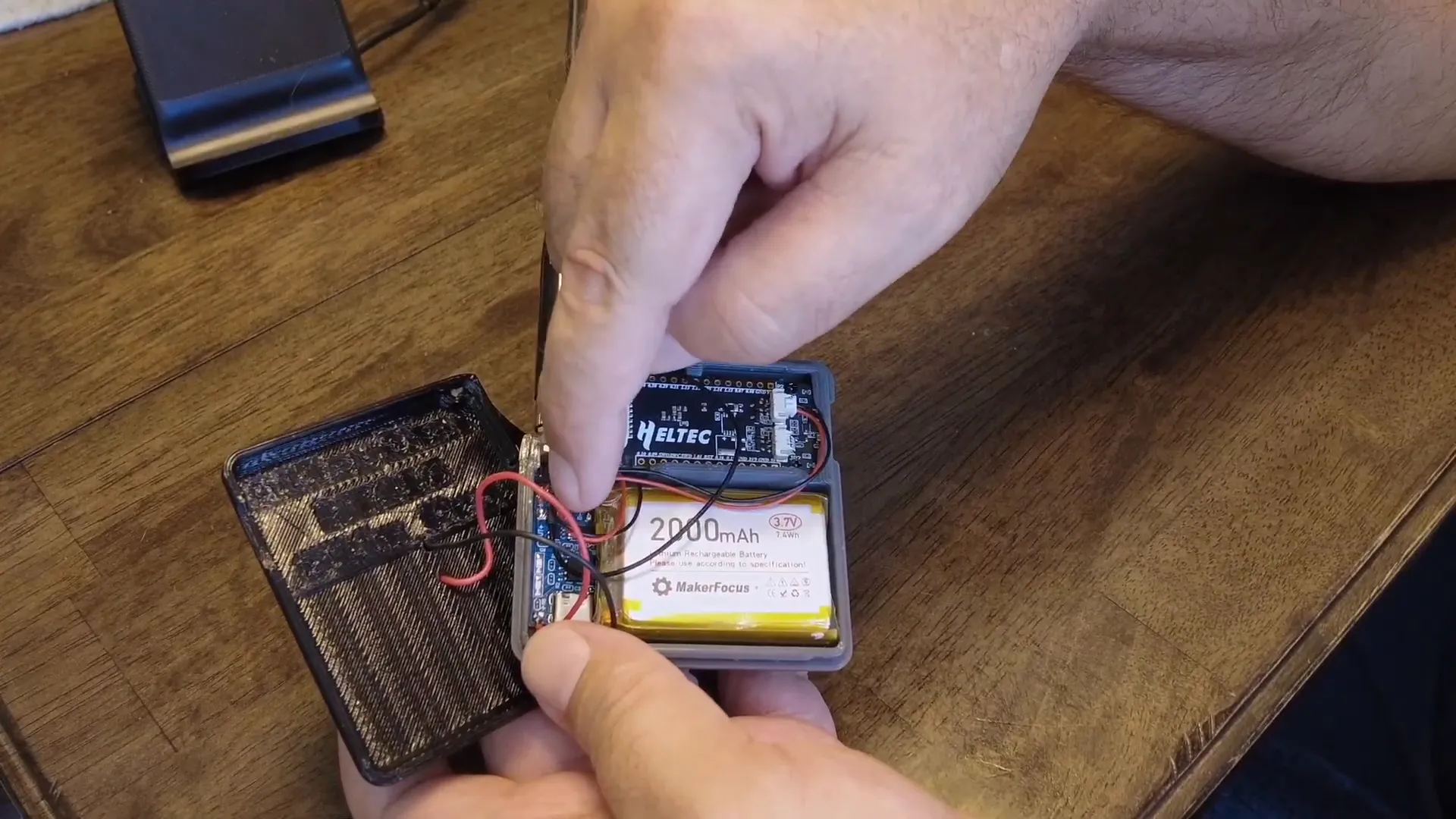
To fit everything together neatly, some modifications were made to the original case, including adding small bumpers and custom 3D-printed buttons. These customizations ensure the node remains slim and portable without compromising on functionality.
Charging the Node Using Solar Power
One of the most exciting features of this project is the ability to charge the node using sunlight. The solar panel produces around 30 milliamps in good light conditions, which exceeds the Heltech T114's 10 milliamp power draw. This surplus allows the battery to recharge while the node is in use or even when it is turned off.
In practical terms, this means you can leave the node outside on a sunny day, and it will slowly recharge itself without any external power source. Even on cloudy days, the solar panel can provide some charge, although at a slower rate.
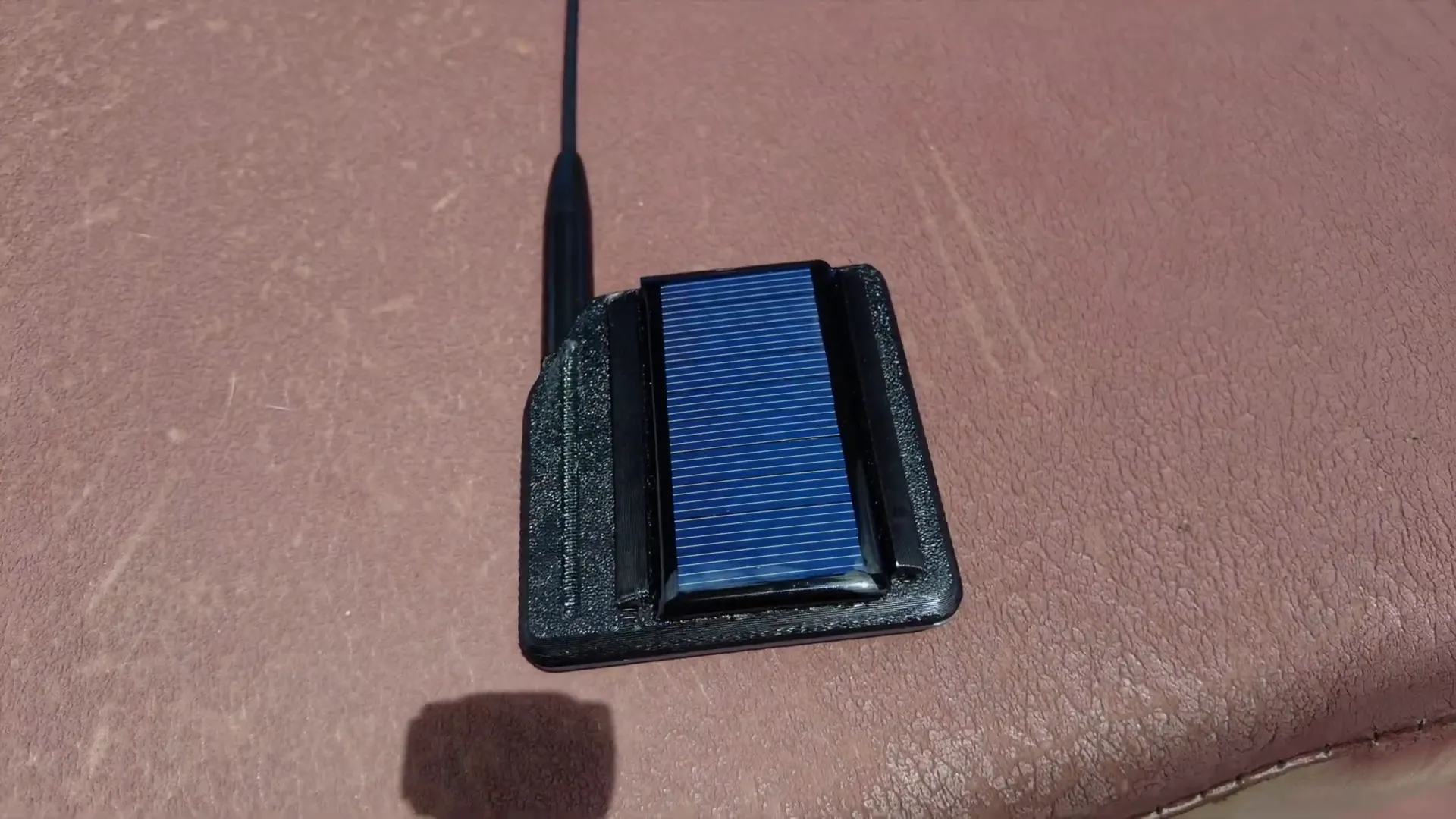
A simple test demonstrated the solar charging capability. The node's battery voltage and charge percentage were monitored before and after placing it in sunlight. Initially at 3.98 volts and 79% charge, after some time in the sun—even on a cloudy day—the battery level increased to 3.99 volts and 80%. While the charging speed is modest, it confirms the solar panel's effectiveness in topping up the battery.
To avoid overheating during this test, the Heltech T114 was turned off completely, allowing the MPPT controller and solar panel to charge the battery independently. This feature is particularly handy for users who want to maximize battery life without using the node's power.
Design Highlights and User Experience
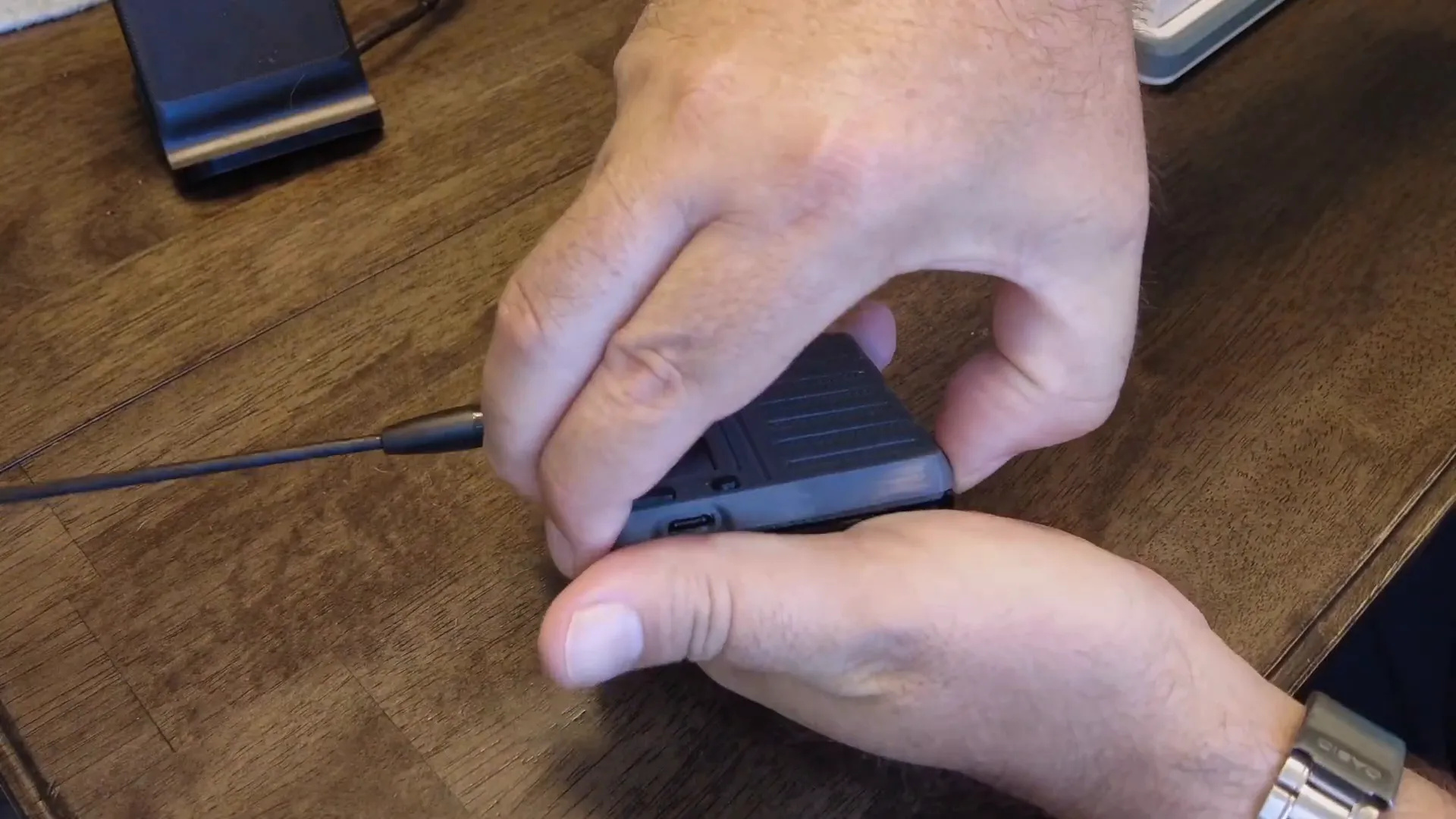
The final design is compact and user-friendly. The case snaps together, enclosing the battery, solar panel, MPPT controller, and Heltech T114 module in a sleek package. The SMA antenna connector on top ensures strong signal reception and transmission.
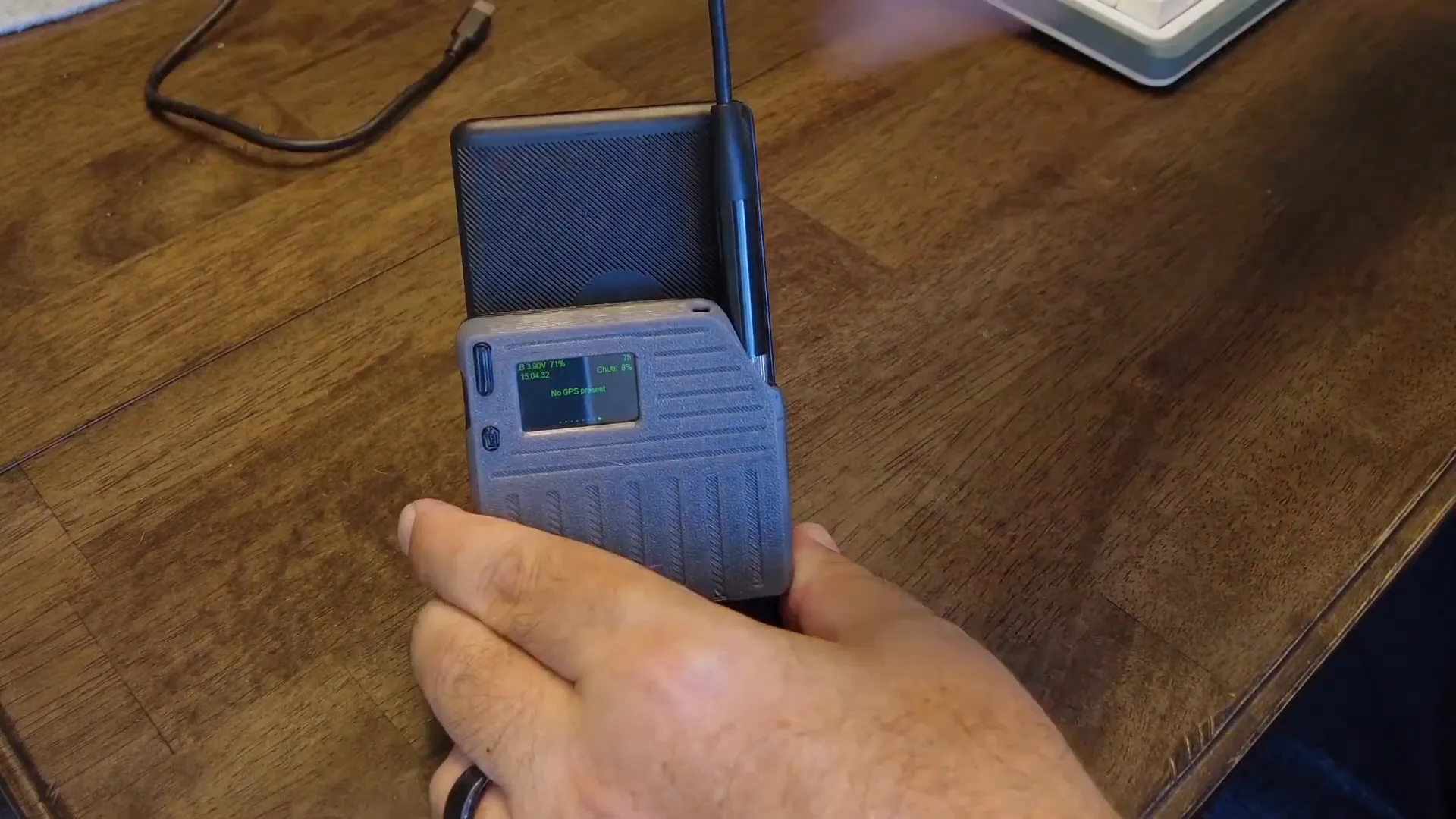
Custom 3D-printed buttons were added for function and reset controls. Although the printing quality for the buttons wasn't perfect, they work reliably and enhance the device's usability. This attention to detail makes the node not just functional but also pleasant to interact with.
While this node does not include GPS functionality, it excels in power efficiency and wireless communication range. In fact, the Heltech T114's reception and transmission strength are as good as, if not better than, alternatives like the ESP32S3 or Heltech V3 modules.
To make the node truly portable, a custom belt clip was also 3D-printed and modified to fit the case with the solar panel attached. This allows users to clip the node onto their belt and carry it around easily, perfect for on-the-go mesh networking or remote monitoring tasks.
Why the Heltech T114 is Ideal for a Meshtastic Solar Node
The Heltech T114 stands out in the world of low-power wireless devices due to its ultra-low current draw and robust communication capabilities. When the screen is off, it consumes a mere 10 milliamps, which is exceptionally low for devices in this category.
This low power consumption is the cornerstone of the solar-powered node's long battery life. It means that even a modest 2000mAh battery can last for over six days of continuous operation. Combined with the solar panel and MPPT controller, the node can potentially operate indefinitely under favorable sunlight conditions.
Additionally, the T114's wireless performance is impressive, offering strong reception and transmission that rivals or surpasses other popular modules. This makes it a reliable choice for mesh networking projects, emergency communications, and other IoT applications where connectivity and power efficiency are paramount.
How to Get Started with Your Own Meshtastic Solar Node
- Gather Components: You will need a Heltech T114 module, a 2000mAh lithium rechargeable battery, an MPPT charge controller, a small solar panel (around 5V, 60mA), an SMA antenna, and a suitable case.
- Modify the Case: Customize your case to fit the solar panel and MPPT controller. Adding bumpers and custom buttons enhances usability.
- Assemble the Node: Connect the solar panel to the MPPT controller, then to the battery. Install the Heltech T114 and connect its power lines to the battery output. Attach the antenna and buttons.
- Test the System: Power on the node and monitor battery voltage and charge percentage. Place the node in sunlight to confirm solar charging functionality.
- Add a Belt Clip: For portability, 3D print or purchase a belt clip and modify it if necessary to fit your solar node's case.
For detailed links to components and 3D print files, you can explore resources from LoraMeshDevices.com and affiliated stores specializing in Meshtastic and IoT hardware.
Frequently Asked Questions (FAQ)
How long does the Meshtastic Solar Node run on a single charge?
With a 2000mAh battery and the Heltech T114's low power consumption of about 10 milliamps when the screen is off, the node can run continuously for over 150 hours (approximately one week) without needing a recharge.
Can the solar panel fully recharge the battery?
Yes, the solar panel produces around 30 milliamps under sunlight, which is more than the node's consumption. Combined with the MPPT charge controller, it can slowly recharge the battery even while the device is in use or when turned off.
Is GPS functionality included in this solar node?
No, this particular build does not include GPS. However, the Heltech T114 supports GPS modules if you want to add that feature separately.
What is the role of the MPPT charge controller?
The MPPT (Maximum Power Point Tracking) charge controller optimizes the solar panel’s output to efficiently charge the battery, preventing overcharging and ensuring the best possible energy conversion from sunlight.
Can I use a bigger battery in this setup?
The case is designed to fit a 3000mAh battery, but because of space constraints due to the MPPT controller and solar panel, a 2000mAh battery was chosen. If you modify the case or remove some components, a larger battery may be possible.
How portable is the solar node?
Very portable. The compact case, combined with a custom 3D-printed belt clip, allows you to carry the node on your belt and take it on the go easily.
Conclusion
The Meshtastic Solar Node project is a fantastic example of blending efficient hardware, smart design, and sustainable energy to create a mobile, reliable mesh networking device. Utilizing the Heltech T114’s ultra-low power consumption, a 2000mAh battery, and a solar panel with an MPPT charge controller, this node can operate for days without needing an external power source.
Whether you're building a mesh network for emergency communications, remote IoT monitoring, or just experimenting with solar-powered devices, this project offers valuable insights and practical solutions. With a sleek case, functional buttons, and a handy belt clip, the node is as user-friendly as it is innovative.
Embrace the power of the sun and extend the life of your mesh network with a Meshtastic Solar Node—your gateway to sustainable, mobile connectivity.