
Exploring the Meshtastic Mobile Node: Features and Enhancements
Published by Vivian van Zyl in Meshtastic the 11/20/2024 at 04:56 pm

In this blog post, we will delve into the details of a Meshtastic mobile node and discuss its features, enhancements, and the components that make it a standout device. From the design of the case to the various functionalities added, this mobile node showcases the versatility of Meshtastic technology.
Table of Contents
- Design and Construction
- Inside the Mobile Node
- Enhanced Functionality
- Communications and Messaging
- Configuration and Customization
- The Impact of the Buzzer
- Conclusion
- FAQ
Design and Construction
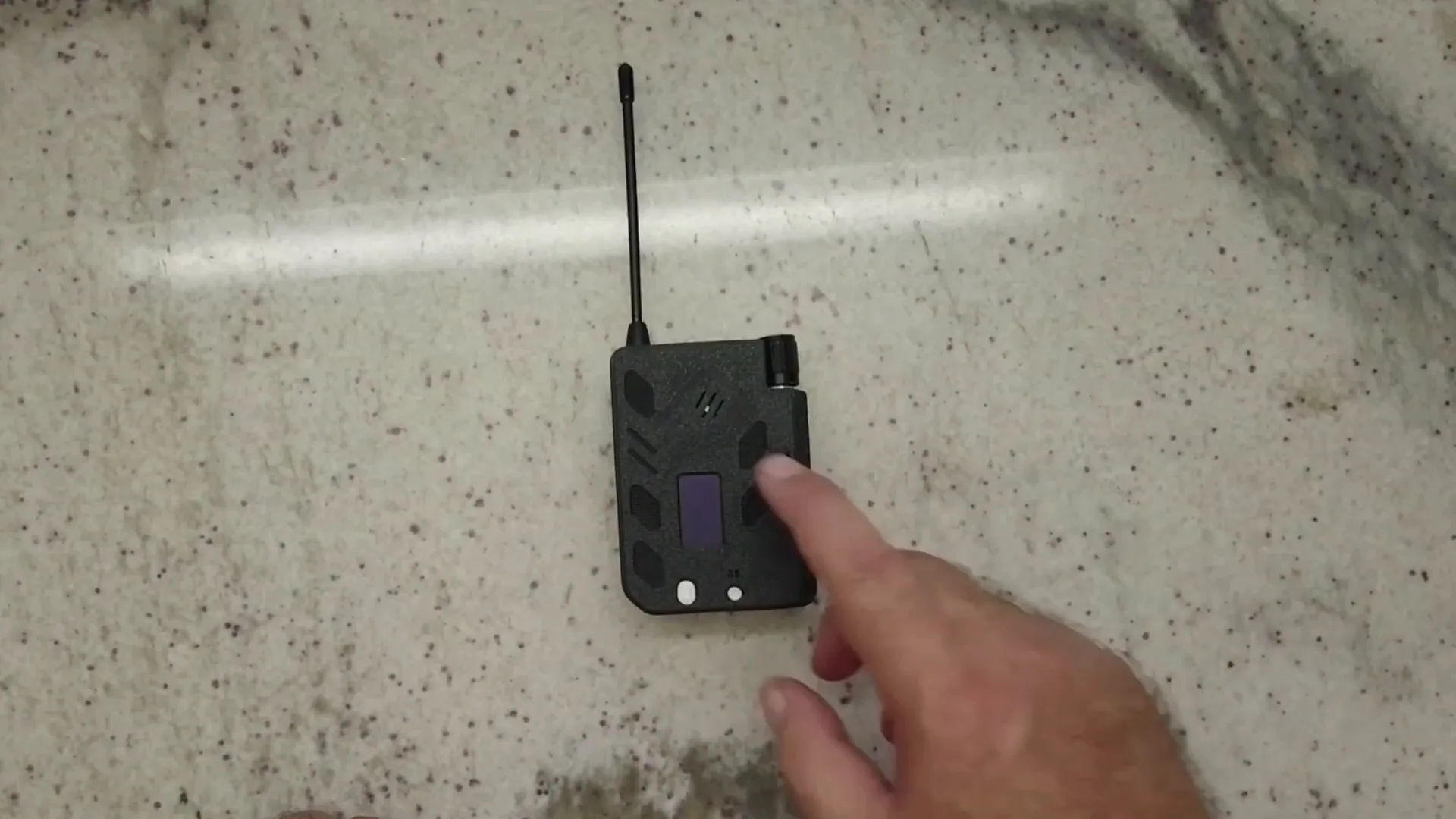
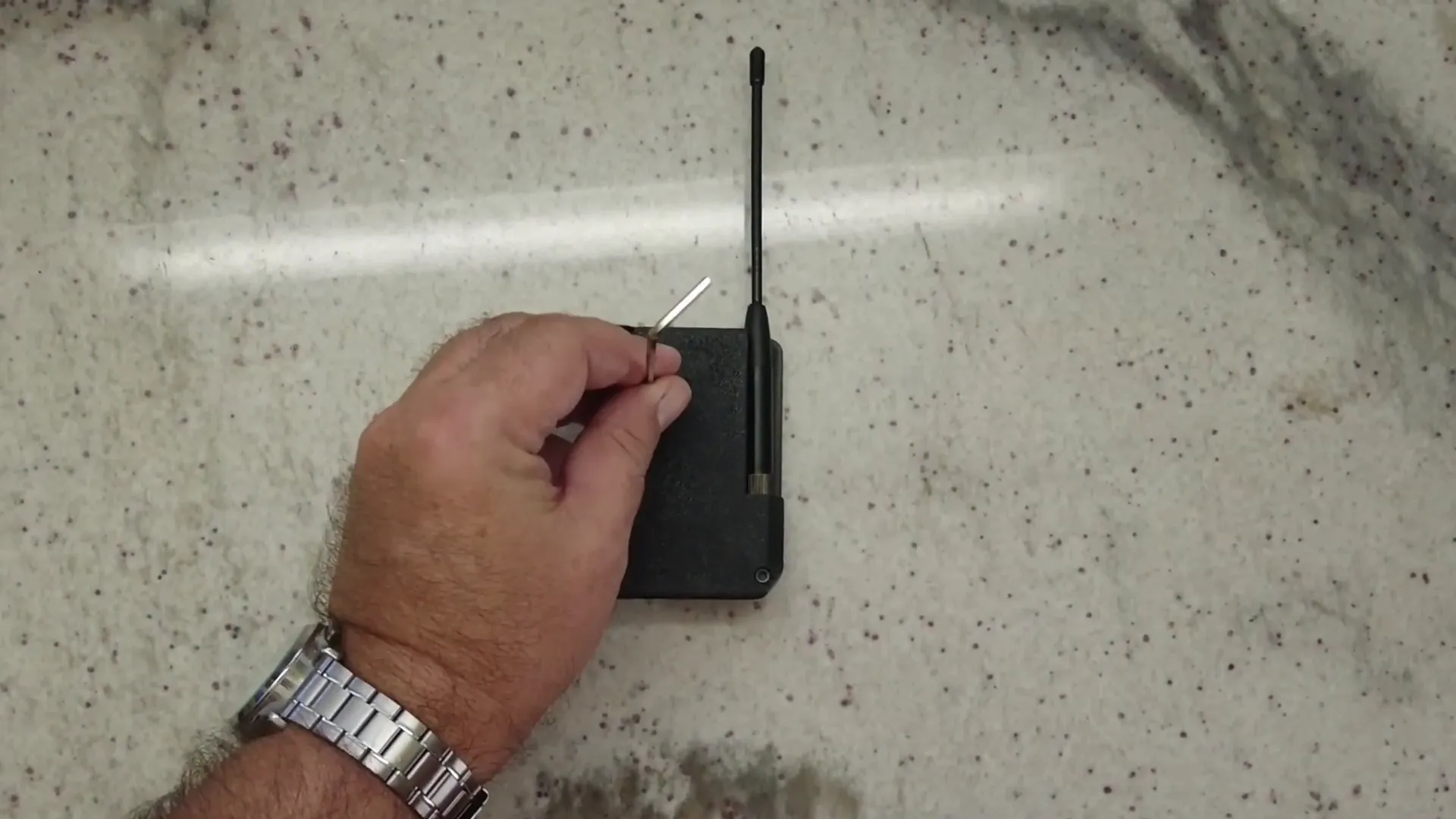
The mobile node starts with a well-thought-out design. The case, sourced from platforms like Printables or Thingy, is printed using PETG material, ensuring durability and strength. This is particularly important for outdoor use, where the node may be exposed to various environmental conditions.
Inside the Mobile Node
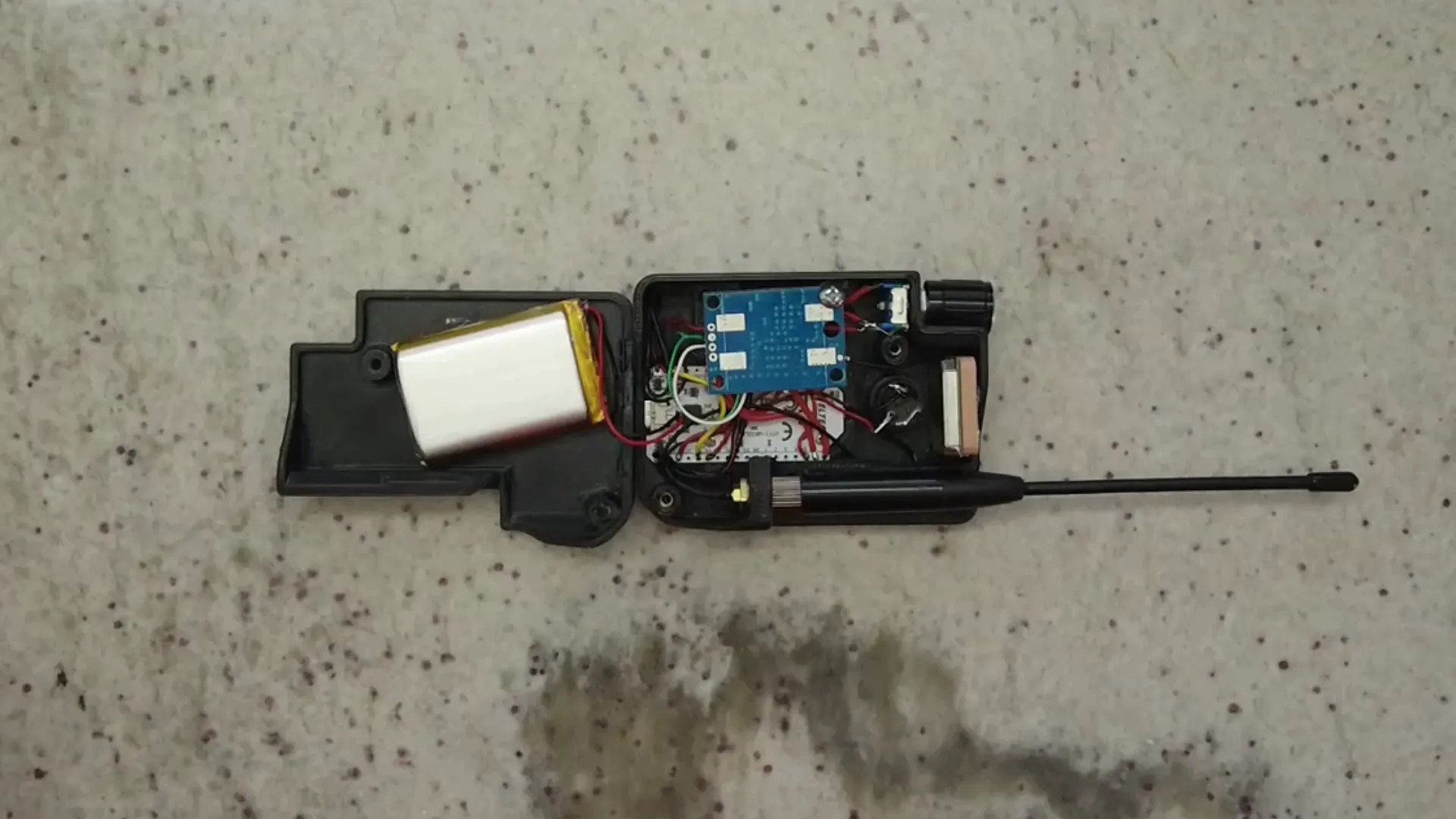
Upon opening the node, you’ll find a well-organized interior. It houses an HTECH V3 board at the bottom, surrounded by various wires. The setup includes a battery and a GPS board, which is a critical feature for location tracking. There's also space allocated for a BME 280 environmental monitor, although this specific unit doesn't include it.
Key Components
- HTECH V3 Board: This serves as the brain of the operation, controlling various functionalities.
- GPS Module: Essential for location tracking and navigating within the Meshtastic network.
- Rotary Switch: A user-friendly interface for sending CAN messages.
- Buzzer: Provides audio notifications, enhancing user interaction.
- MOSFET Transistor: Used to control the GPS module for power management.
Enhanced Functionality
One of the standout features of this mobile node is the addition of the buzzer. This component significantly enhances the user experience by providing audio feedback and notifications. It connects easily with just two wires and has proven to be a game changer for many users.
Power Management
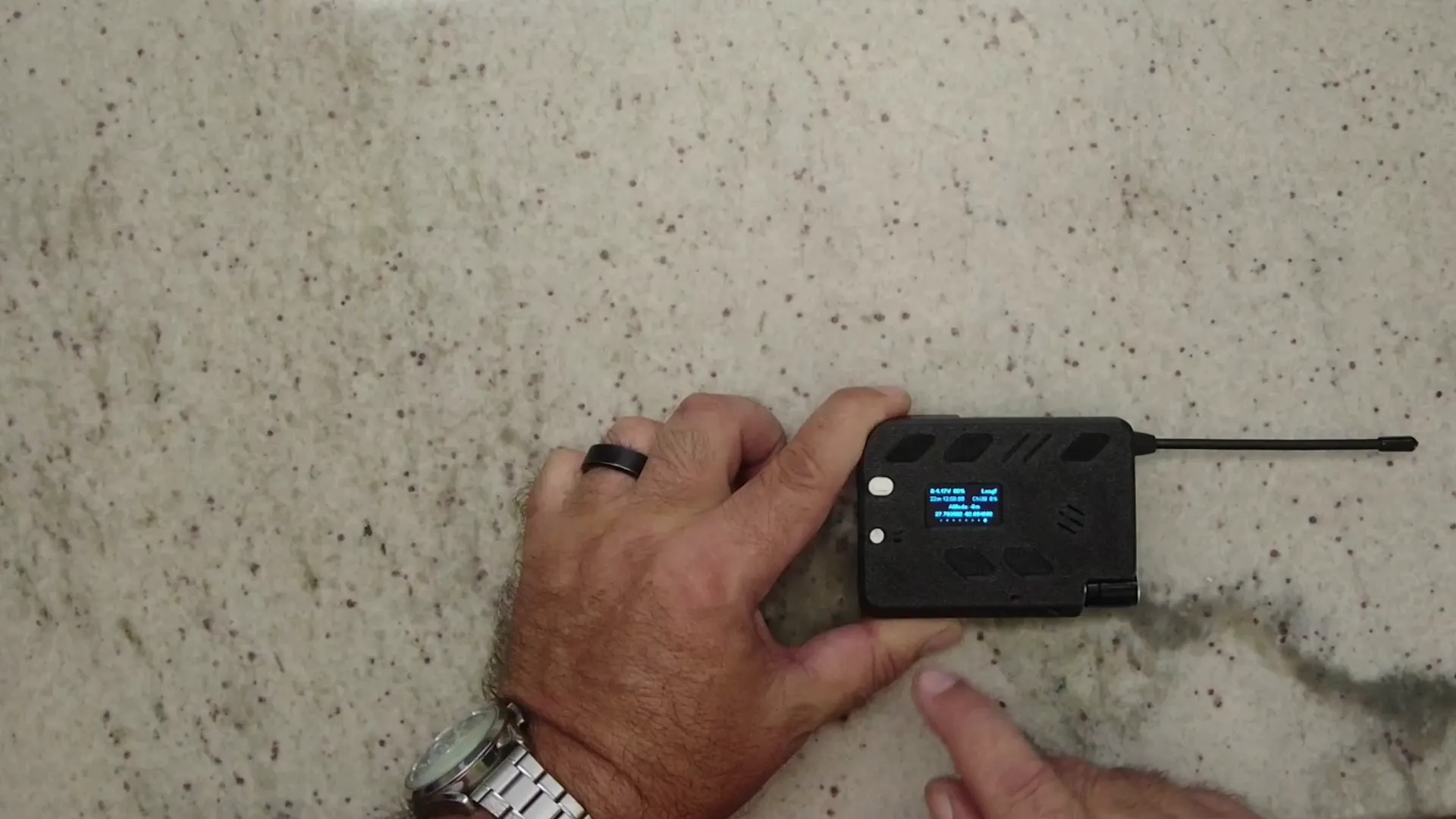
Power management is crucial for devices like these, especially when using GPS. The ability to control the GPS via the MOSFET transistor allows users to turn it off when not needed, conserving battery life. A simple triple press of a button can toggle the GPS state, which is both intuitive and effective.
Communications and Messaging
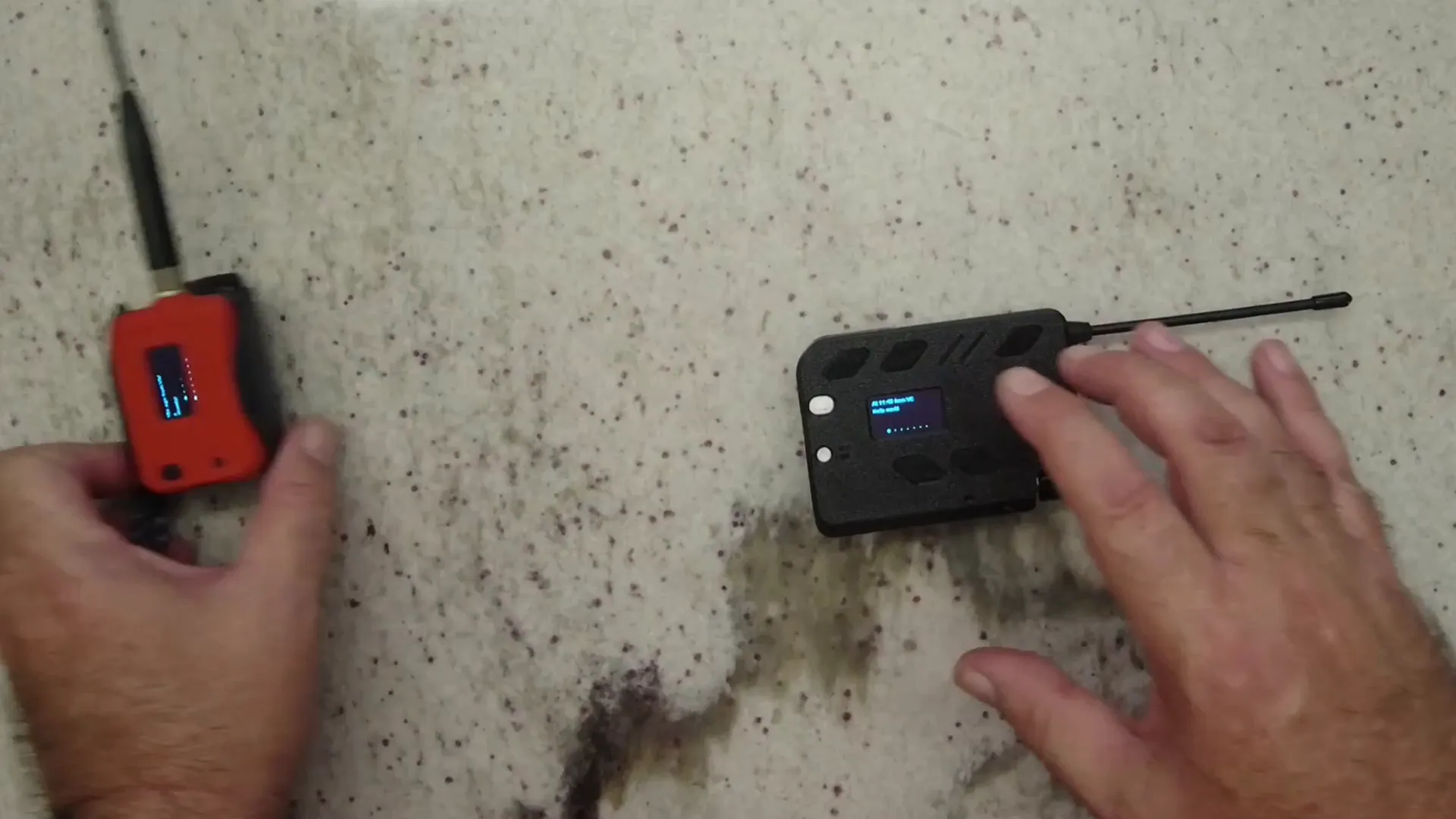
The mobile node is equipped to handle CAN messages, allowing for seamless communication between devices. For example, users can send messages like "howdy" and see instant feedback on the connected node, showcasing the real-time capabilities of the Meshtastic system.
Audio Notifications
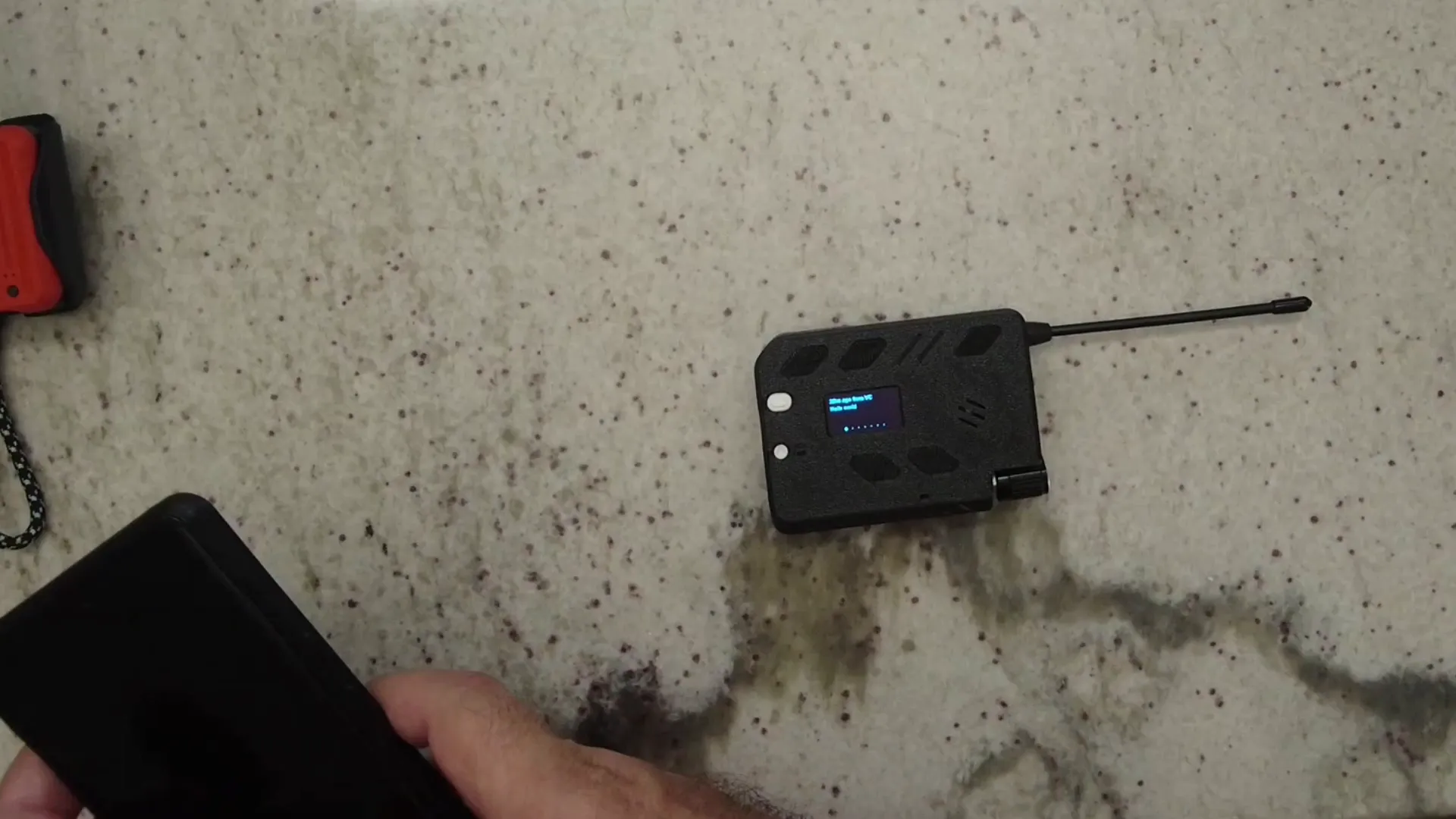
The buzzer not only alerts users when messages are received but also plays different tones for various notifications. This feature ensures that users are aware of incoming communications without constantly checking their phones.
Configuration and Customization
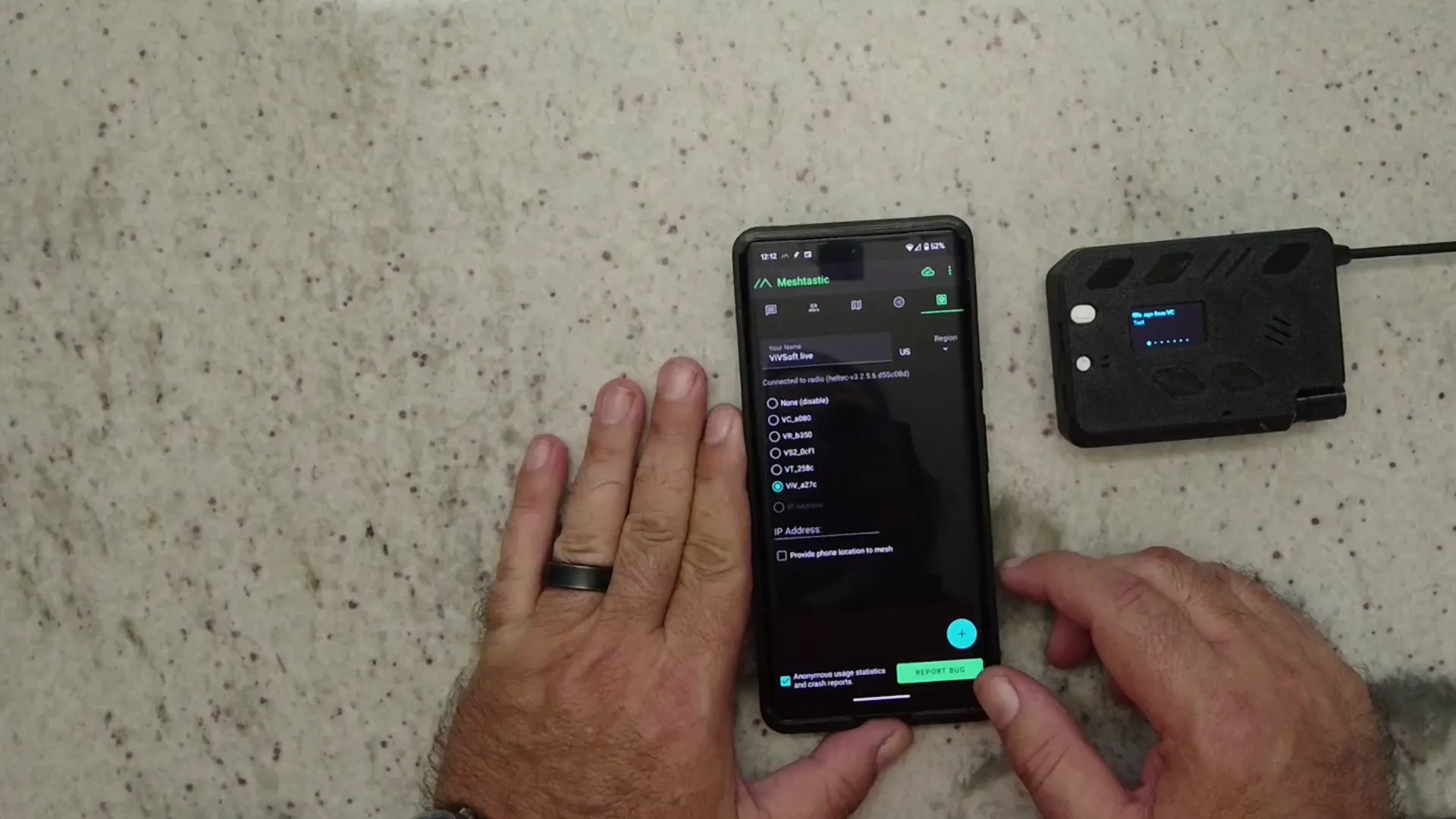
Configuring the mobile node is straightforward. Users can set up external notifications via the Meshtastic app, where they can choose between different alert types, including LED indicators and vibrational alerts. The buzzer can be programmed for various sounds and tones, allowing for a customized user experience.
Creating Custom Tones
One of the exciting features of the buzzer is the ability to create custom melodies. Users can program unique sounds that will play upon receiving messages, adding a personal touch to their device.
The Impact of the Buzzer
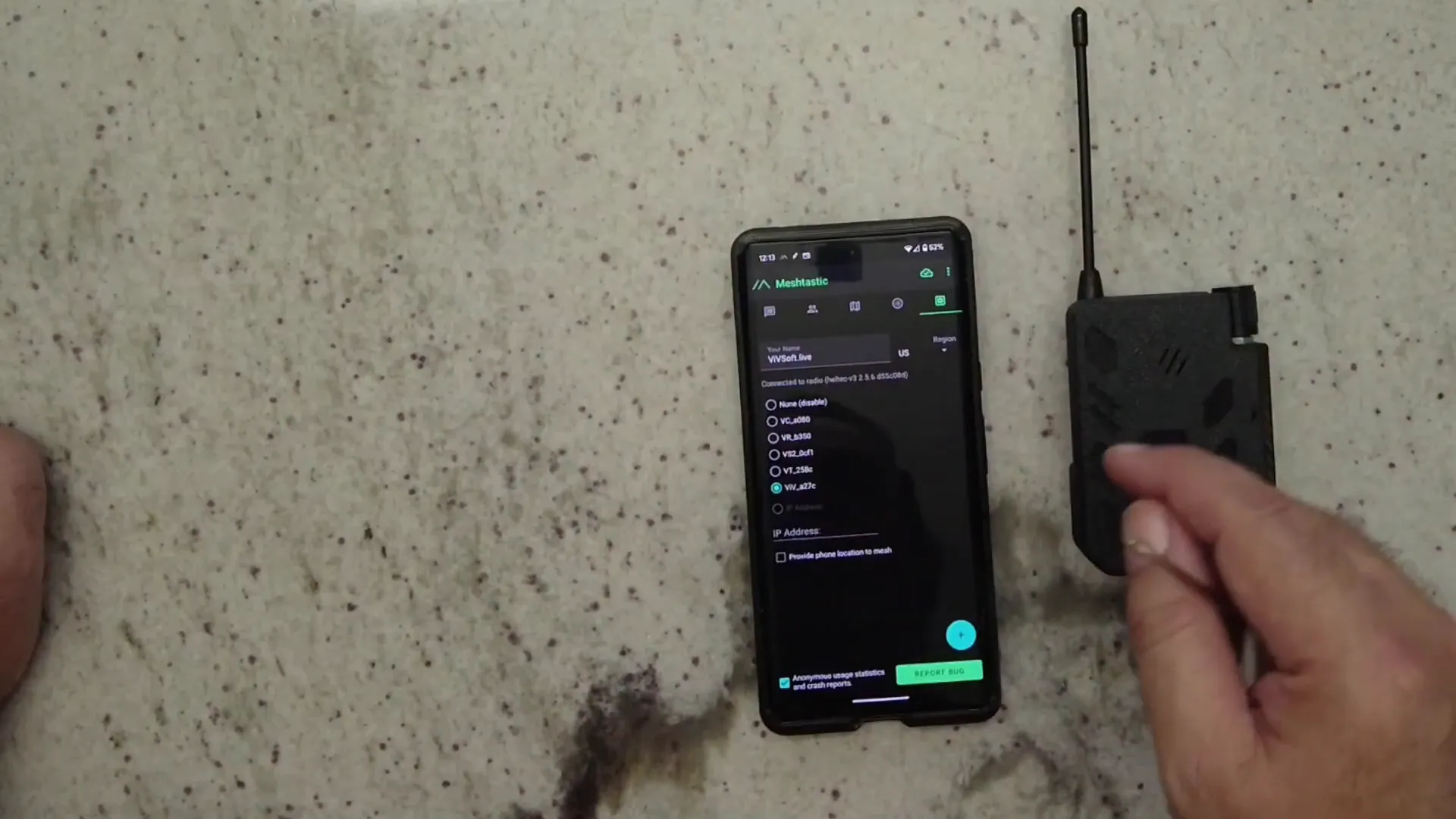
Overall, the addition of the buzzer has transformed how users interact with their mobile nodes. It allows for notifications without the need to constantly monitor the app, making it more convenient for everyday use. Whether connected to a phone or operating independently, the buzzer serves as a reliable alert system.
Conclusion
The Meshtastic mobile node represents a significant advancement in user-friendly communication technology. With its robust design, enhanced features, and customizable options, it stands out as a versatile tool for anyone looking to leverage Meshtastic's capabilities. The integration of components like the buzzer and GPS not only improves functionality but also enriches the user experience, making it a valuable addition to any tech enthusiast's toolkit.
FAQ
What is Meshtastic?
Meshtastic is an open-source project that allows users to create a mesh communication network using low-cost hardware, enabling communication without traditional cellular or Wi-Fi networks.
How does the GPS feature work in the mobile node?
The GPS module enables real-time location tracking and can be powered on or off using a MOSFET transistor, allowing for effective power management.
Can I customize the sounds played by the buzzer?
Yes, users can create custom tones and melodies for notifications using the settings available in the Meshtastic app.
Is the mobile node suitable for outdoor use?
Yes, the mobile node's case is designed using durable PETG material, making it suitable for various outdoor environments.
What other components can be added to the mobile node?
In addition to the GPS, users can add a BME 280 environmental monitor for tracking temperature, humidity, and pressure, among other components.