
Meshtastic Enclosure: A Guide to Sensor Integration and Environmental Monitoring
Published by Vivian van Zyl in Meshtastic the 11/01/2024 at 08:29 pm

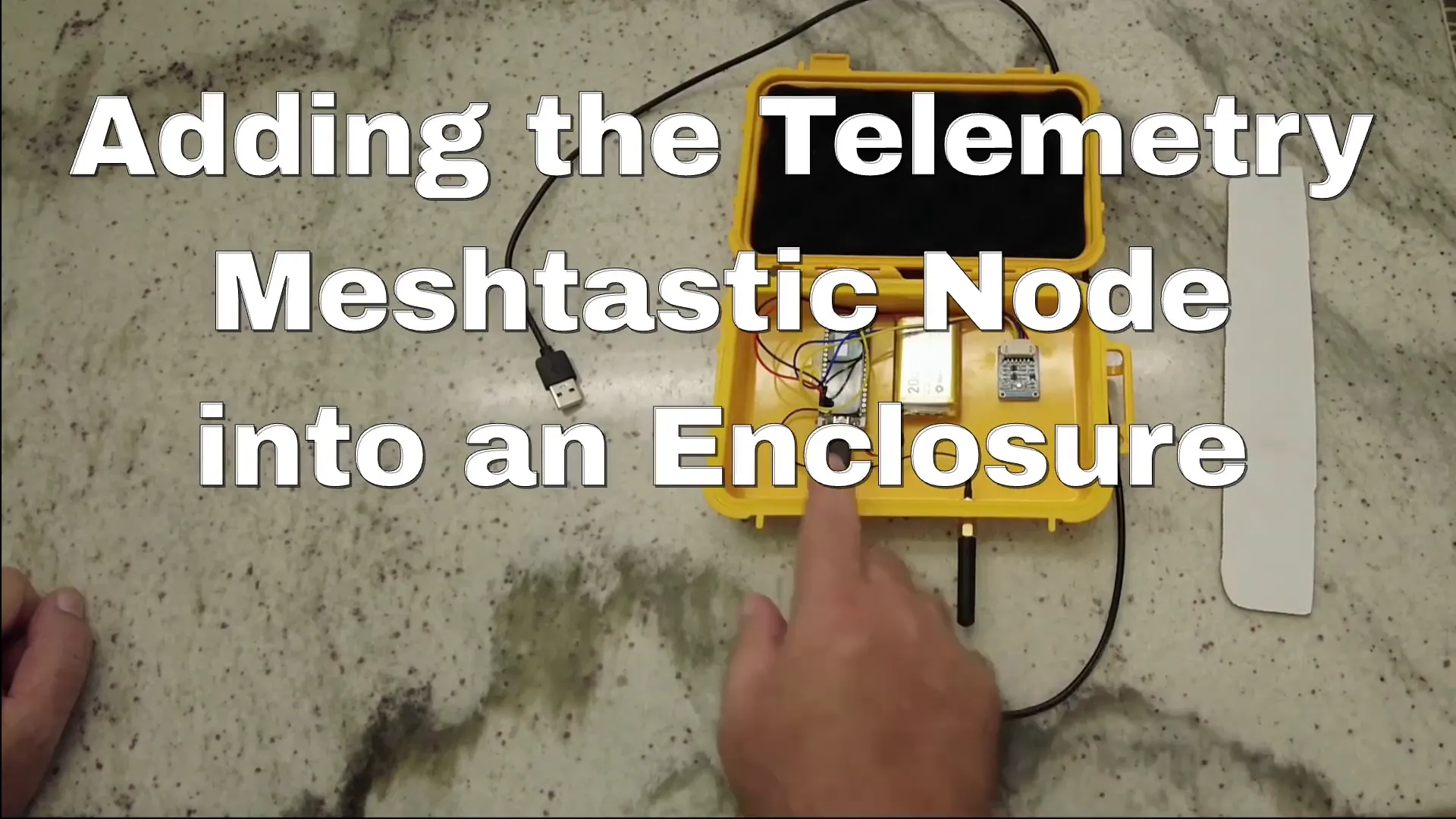
In this blog, we delve into the innovative world of the Meshtastic enclosure, specifically focusing on integrating environmental sensors, like the BME280, into an ESP32 node. This guide covers the setup, modifications, and practical applications of creating an effective enclosure while maintaining optimal sensor performance.
Table of Contents
- Understanding the BME280 Sensor
- Challenges with Enclosure Design
- Integrating a Solar Panel
- Designing the Enclosure
- Protecting Against Environmental Factors
- Final Assembly and Mounting
- Practical Applications of the Meshtastic Enclosure
- Frequently Asked Questions
Understanding the BME280 Sensor
The BME280 sensor is a versatile component that measures temperature, humidity, and atmospheric pressure. While its temperature readings might not be the most accurate, it effectively calibrates the other two parameters—humidity and barometric pressure. This calibration is crucial for environmental monitoring, especially in varying weather conditions.
Challenges with Enclosure Design
One significant challenge when integrating the BME280 sensor into an enclosure is managing heat buildup. When the enclosure is sealed, heat can accumulate, leading to inaccurate temperature readings. This issue requires careful design considerations to ensure the sensor operates within its optimal temperature range.
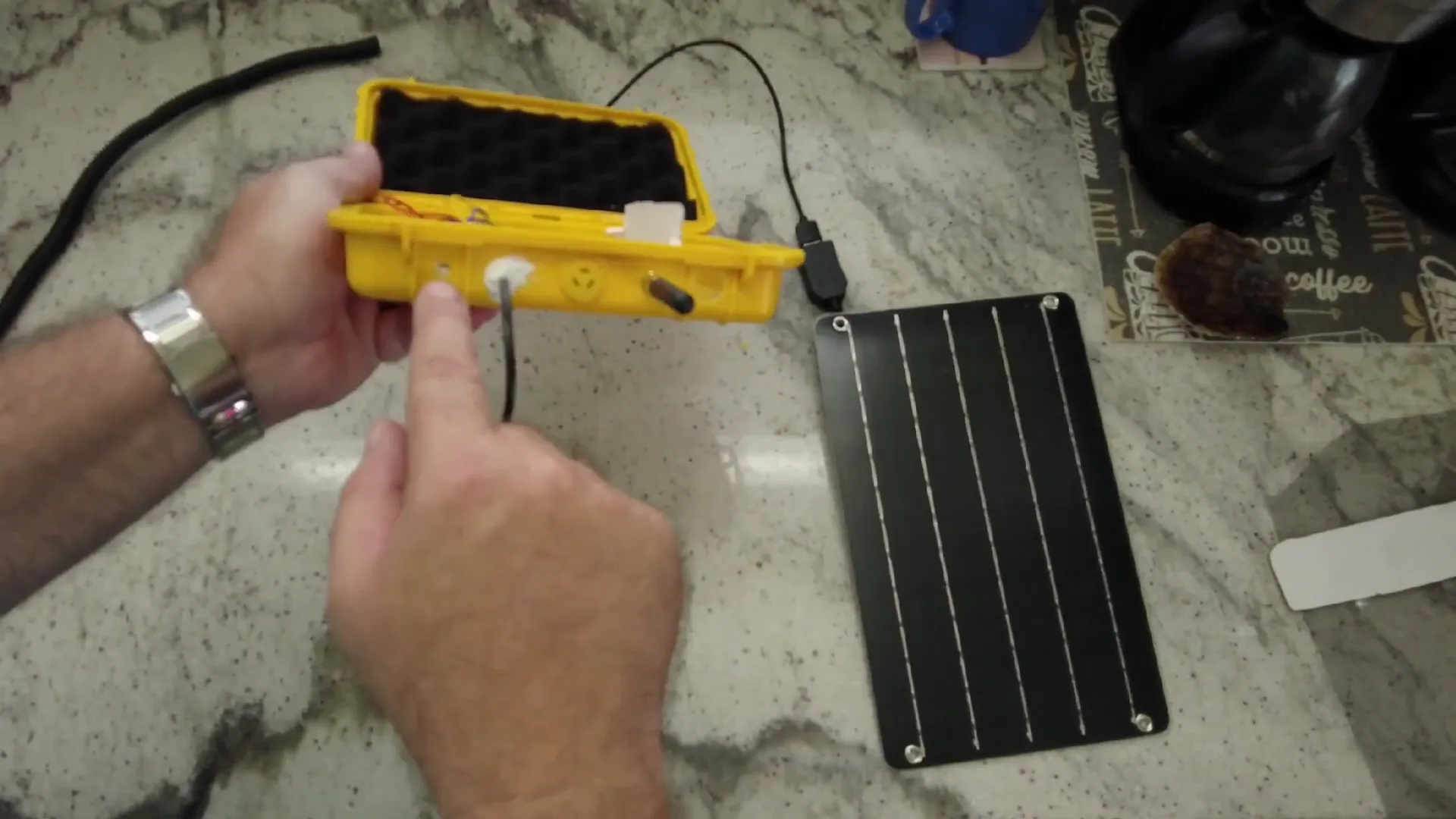
To combat heat issues, the enclosure must be designed with airflow in mind. Ventilation holes should be strategically placed to allow heat to escape while preventing water ingress. It’s essential to keep any components that could attract water at the bottom of the enclosure to mitigate potential damage.
Integrating a Solar Panel
To enhance the functionality of the Meshtastic enclosure, a 5W solar panel can be integrated for battery charging. This solar panel allows for continuous operation without worrying about battery depletion. When placed in sunlight, the solar panel charges the battery efficiently, ensuring the device remains operational even during extended periods without direct access to power sources.
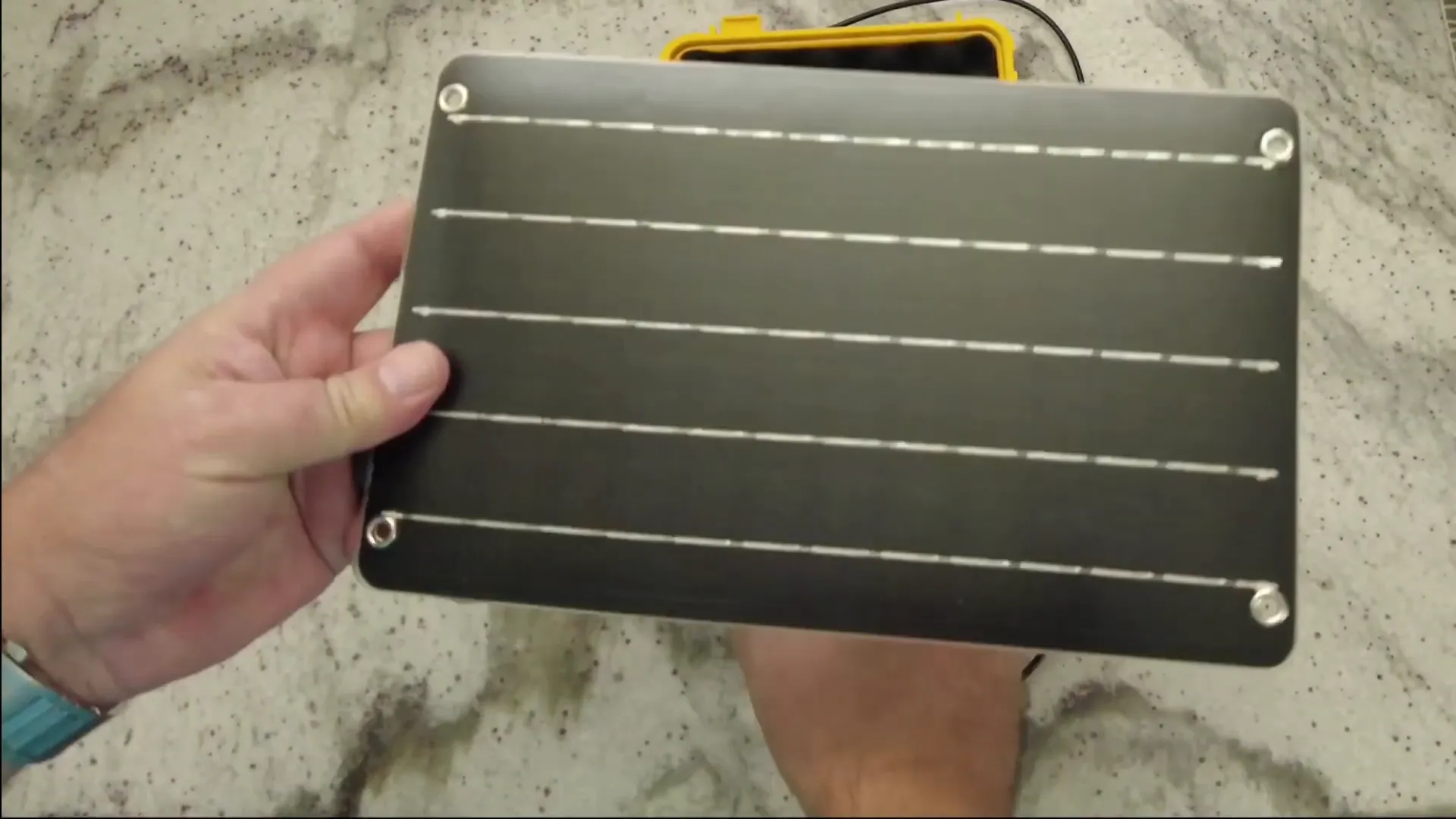
For optimal performance, it's recommended to maintain the battery charge above 50%. This threshold accounts for days with minimal sunlight, ensuring that the device remains powered. The solar panel can restore the battery to full charge quickly, often within an hour.
Designing the Enclosure
When designing the enclosure, it's crucial to consider the layout of components, including the ESP32 node and the BME280 sensor. A partition can be added to separate these elements, helping to manage heat and prevent interference. Using materials like foam for the partition can create a seal that enhances insulation while allowing for necessary airflow.
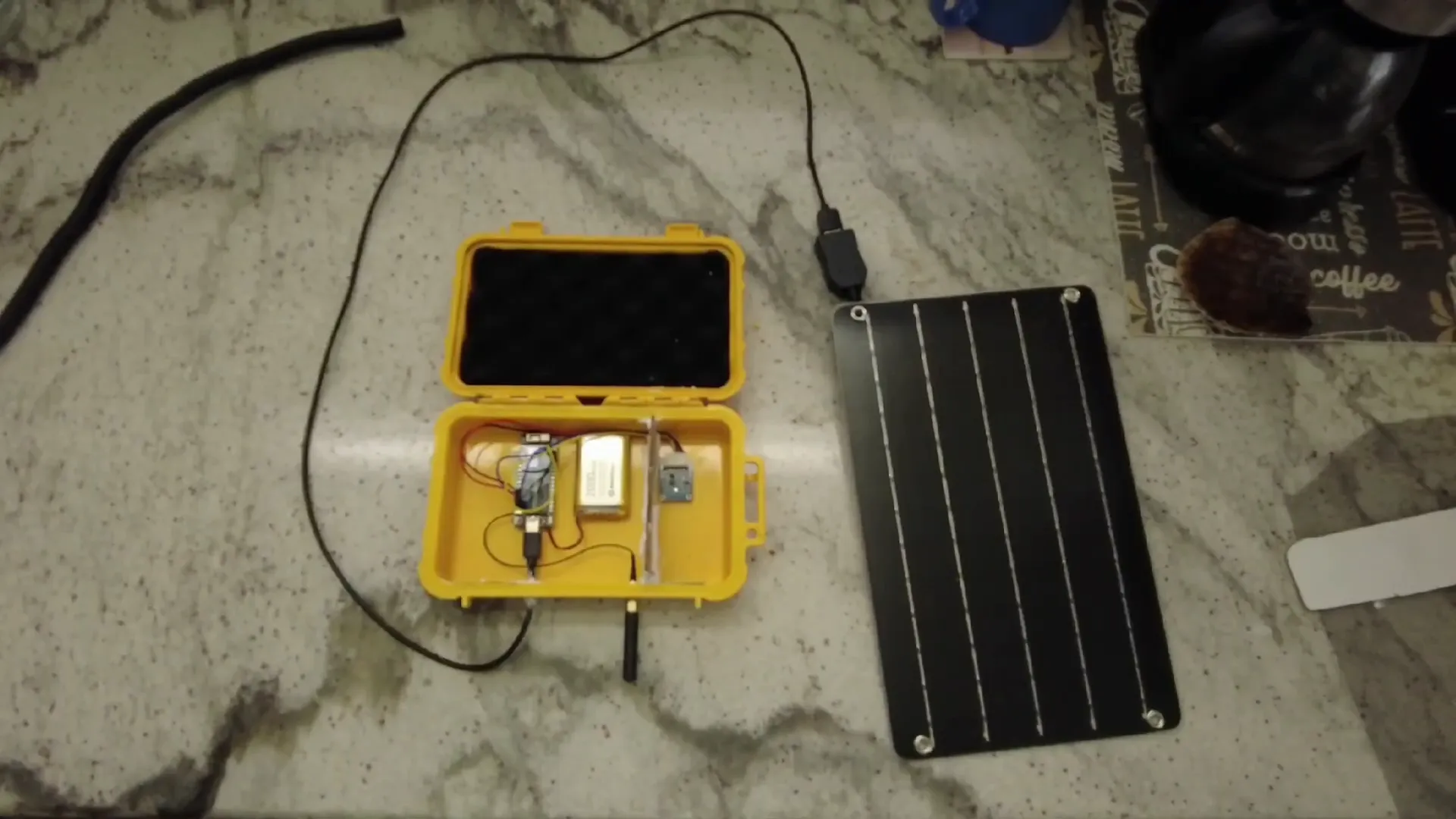
Drilling holes for airflow on both sides of the enclosure is essential. These holes facilitate air circulation, which is particularly important for the humidity sensor. In humid climates, such as Florida, preventing condensation inside the enclosure is critical to maintaining sensor accuracy.
Protecting Against Environmental Factors
To prevent insects from entering the enclosure, mesh can be added over the ventilation holes. This simple yet effective solution keeps unwanted critters out while allowing for proper airflow. It’s crucial to ensure that all components are securely mounted and that the enclosure remains watertight.
Final Assembly and Mounting
Once all modifications are complete, the final assembly of the enclosure can take place. The solar panel should be positioned to maximize sunlight exposure, while the entire device should be mounted approximately 1 meter above ground in a shaded area. This positioning helps achieve accurate temperature readings and protects the device from direct sunlight.
After assembling the enclosure, it’s vital to test the functionality of the sensor and the solar charging system. Monitoring the readings and battery performance over time will provide insights into the effectiveness of the design and any potential adjustments needed.
Practical Applications of the Meshtastic Enclosure
The Meshtastic enclosure serves various practical applications, especially in environmental monitoring. It can be used for:
- Weather stations to collect local climate data.
- Remote monitoring of environmental conditions in inaccessible areas.
- Educational projects to demonstrate sensor integration and data collection.
Frequently Asked Questions
What is the BME280 sensor used for?
The BME280 sensor measures temperature, humidity, and atmospheric pressure, making it ideal for environmental monitoring applications.
How can I ensure my enclosure is watertight?
Ensure all holes are placed at the bottom of the enclosure, use appropriate sealing materials, and regularly check for wear or damage.
What should I do if my solar panel isn't charging the battery?
Check the connections between the solar panel and the battery, ensure the panel is positioned in direct sunlight, and verify that the battery is functioning properly.
How can I monitor the performance of my sensor?
Regularly check the readings from the BME280 sensor and compare them to known values to assess accuracy. Ensure the device remains in a suitable environment for optimal performance.
Can I use other sensors in the Meshtastic enclosure?
Yes, the enclosure can be adapted to accommodate various sensors, depending on your project needs.
By following these guidelines for designing and building a Meshtastic enclosure, you can create an effective and sustainable solution for environmental monitoring. Whether you're a DIY enthusiast or a tech novice, integrating sensors into your projects can be both rewarding and informative.