
The Meshtastic Solar Node Experiment: Pushing the Limits of the S3 Processor
Published by Vivian van Zyl in Meshtastic the 04/09/2025 at 06:57 pm

Join me on an adventurous journey as I explore the feasibility of using an S3 processor in a solar-powered Meshtastic node. This experiment challenges conventional wisdom about power consumption while highlighting innovative solutions for sustainable technology.
Table of Contents
- Introduction
- Solar Node Overview
- Understanding the S3 Processor's Power Consumption
- Exploring Energy Saving Modes
- Key Features of the Solar Node
- Monitoring Power with the INA219 Sensor
- Challenges of Charging and Power Draw
- The Importance of Power Saving Configuration
- Testing and Observing Node Behavior
- Wrap-Up: Lessons Learned from the Experiment
- Future Steps and Recommendations
- Thank You for Watching
- FAQ
Introduction
Welcome to the exciting world of solar-powered technology! In this blog, we dive deep into the innovative design of a solar node equipped with the S3 processor. This experiment is not just about functionality; it’s about pushing the boundaries of what's possible in renewable energy applications. Let's explore the intricate details of this unique setup, its challenges, and the potential it holds for the future.
Solar Node Overview
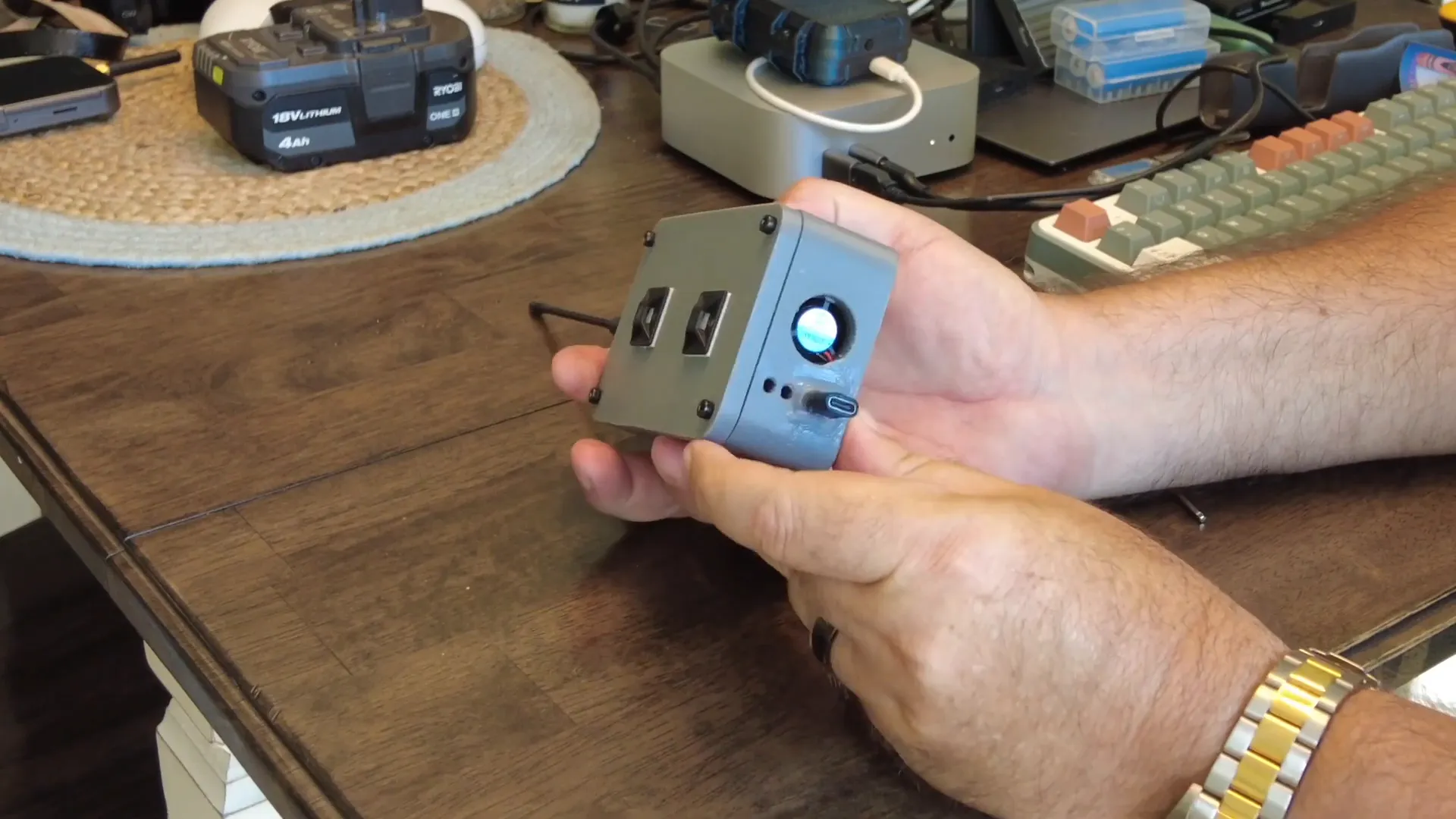
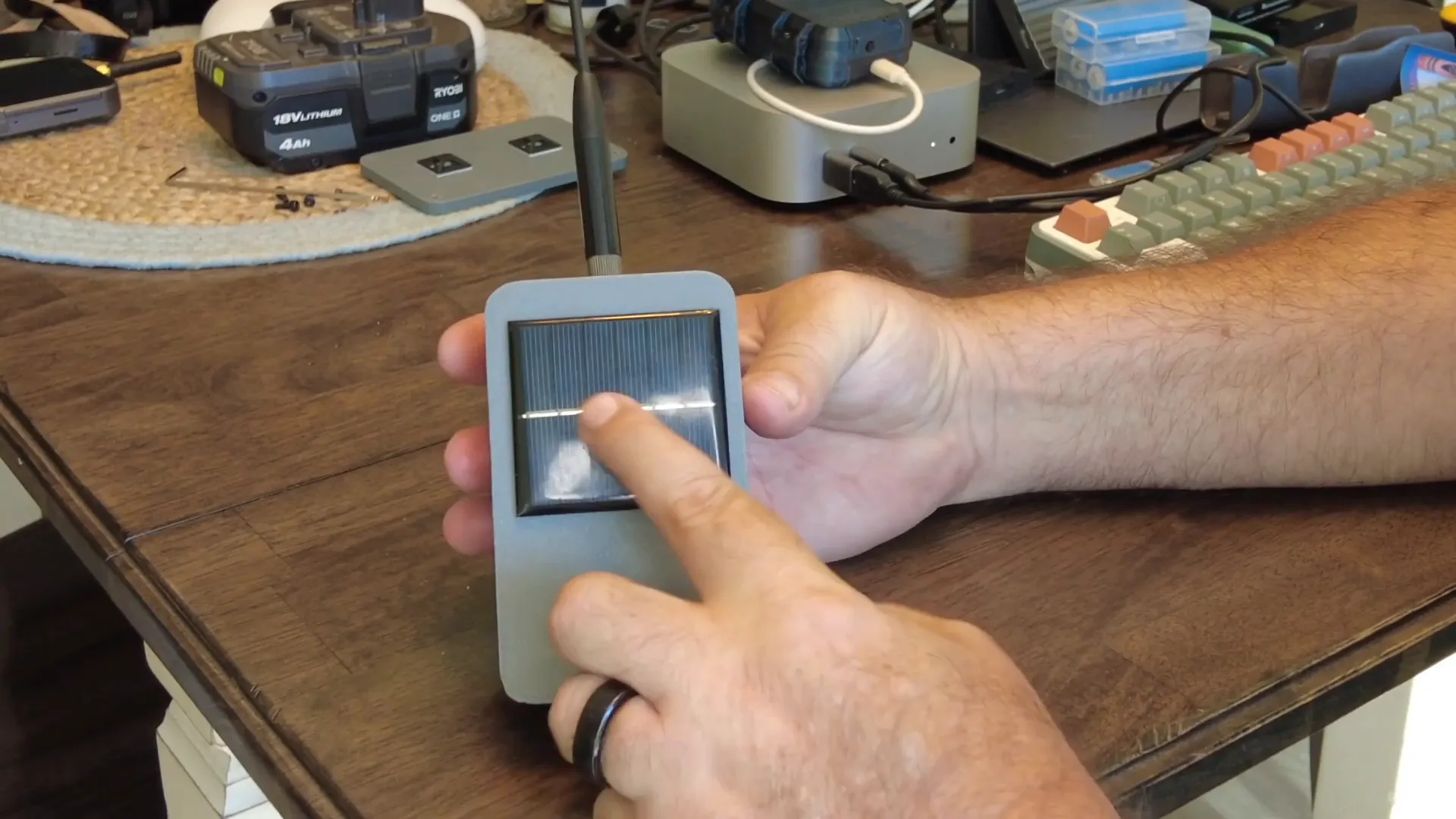
The solar node is a compact device designed to operate independently using solar energy. Its size is astonishingly small—about the size of a finger—making it an excellent candidate for various applications. It features a solar panel on top, a fan for ventilation, and a USB port for charging or firmware updates.
Inside, we find the S3 processor from Seed Studios. This is where the challenge lies. Typically, S3 processors are known for their high power consumption, which raises questions about their viability in solar-powered applications. Yet, this experiment aims to test those boundaries.
Understanding the S3 Processor's Power Consumption
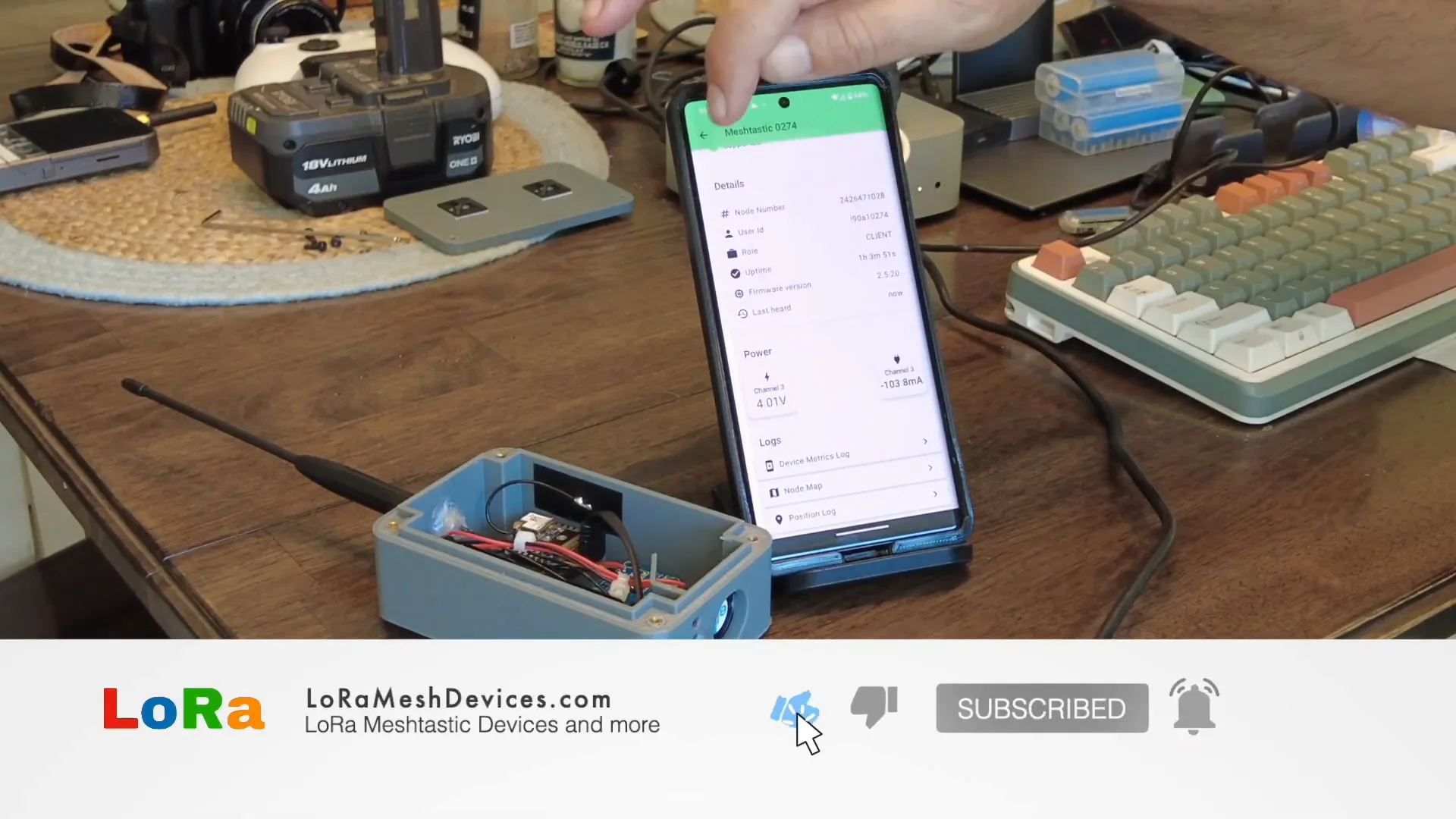
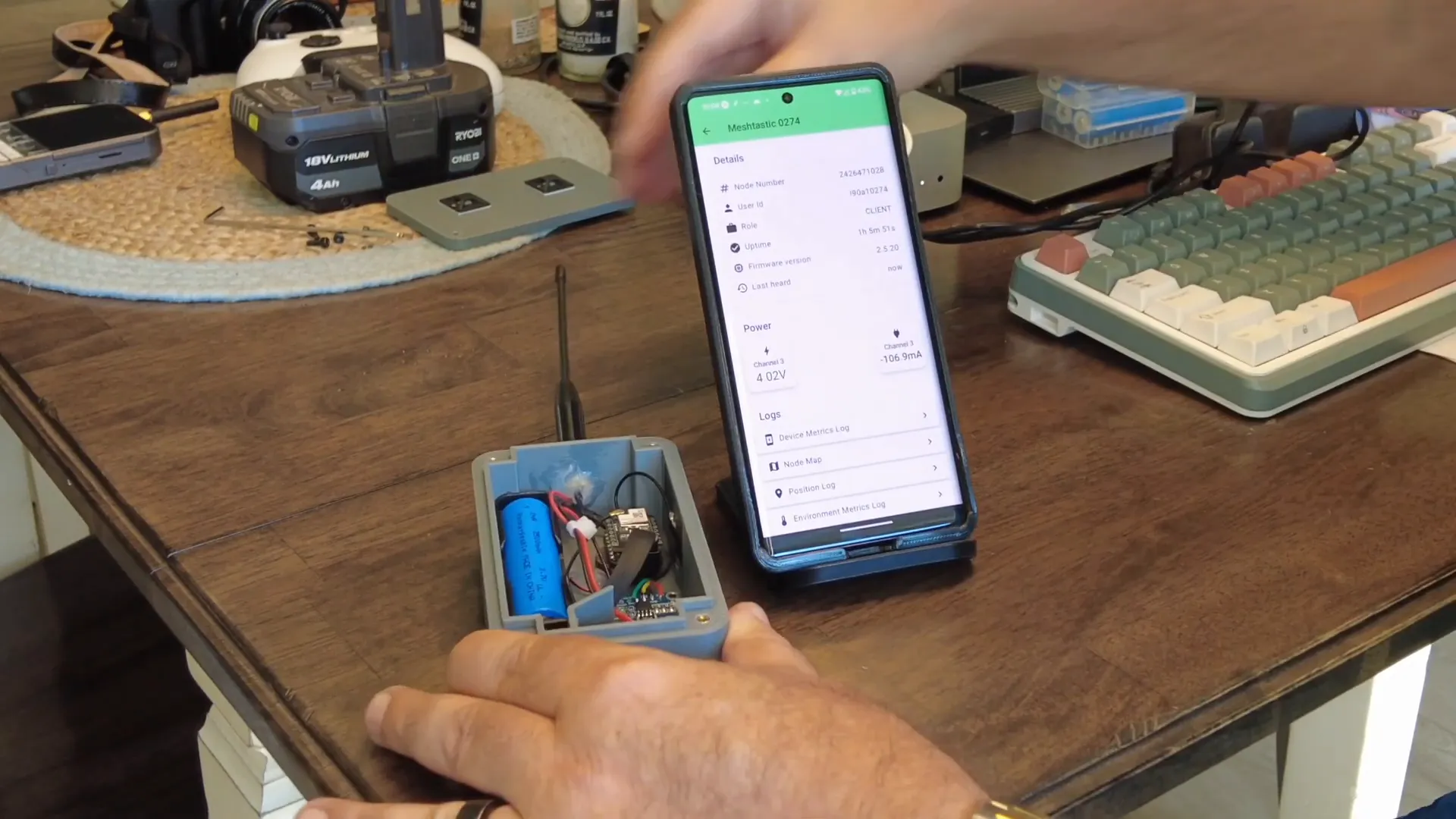
The S3 processor is a powerful chip, but it comes with a cost—its energy consumption. Running at around one hundred and three milliamps, it poses a significant challenge for sustainability in solar applications. To illustrate, a three thousand five hundred milliamp hour battery theoretically lasts about thirty-five hours, but real-world conditions could reduce that to twenty or twenty-four hours.
When unplugged from a power source, the node's draw remains dangerously close to its charging capabilities. This necessitates a careful balance between power consumption and energy generation, especially if the solar node is to function effectively over extended periods.
Exploring Energy Saving Modes
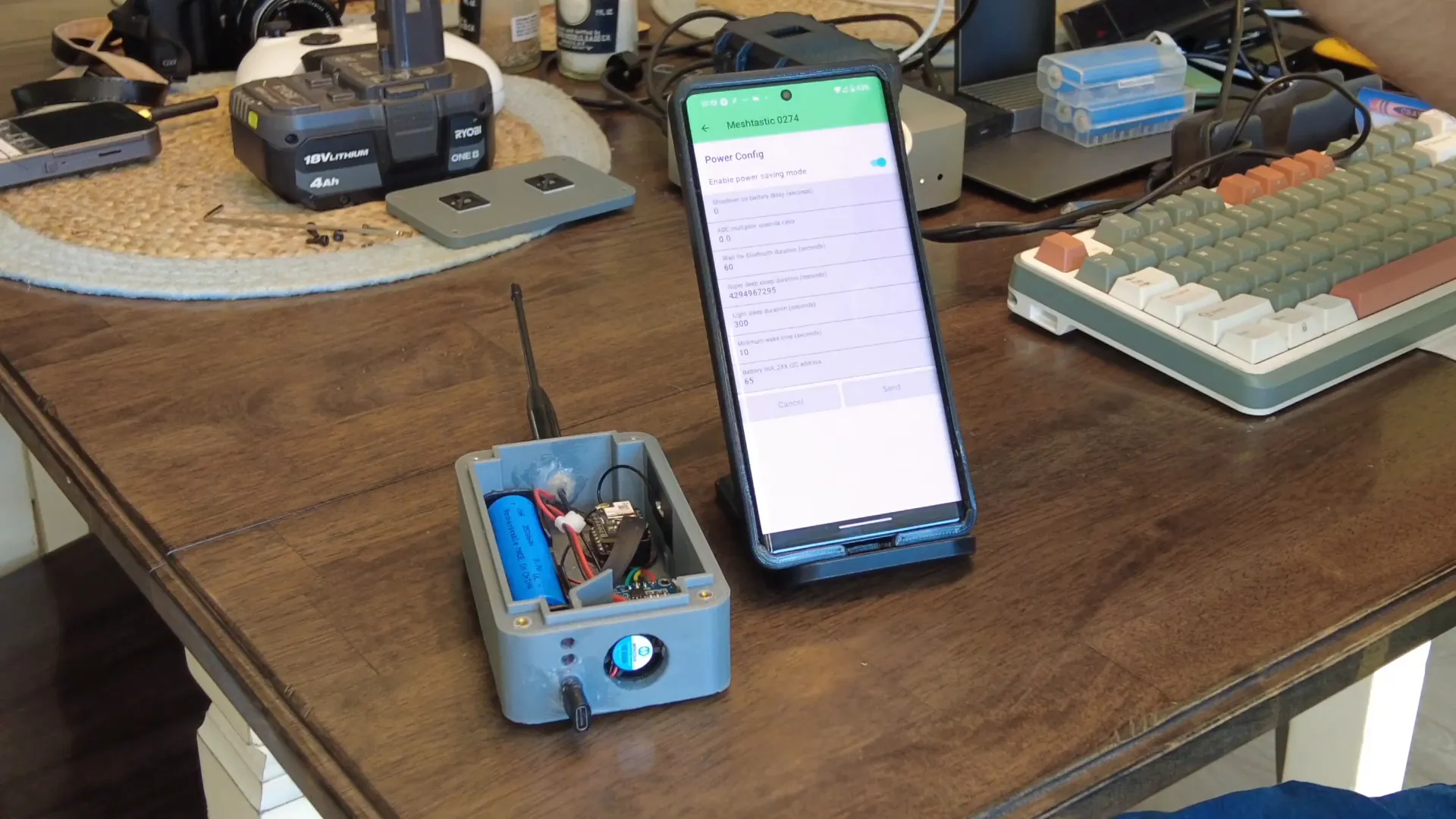
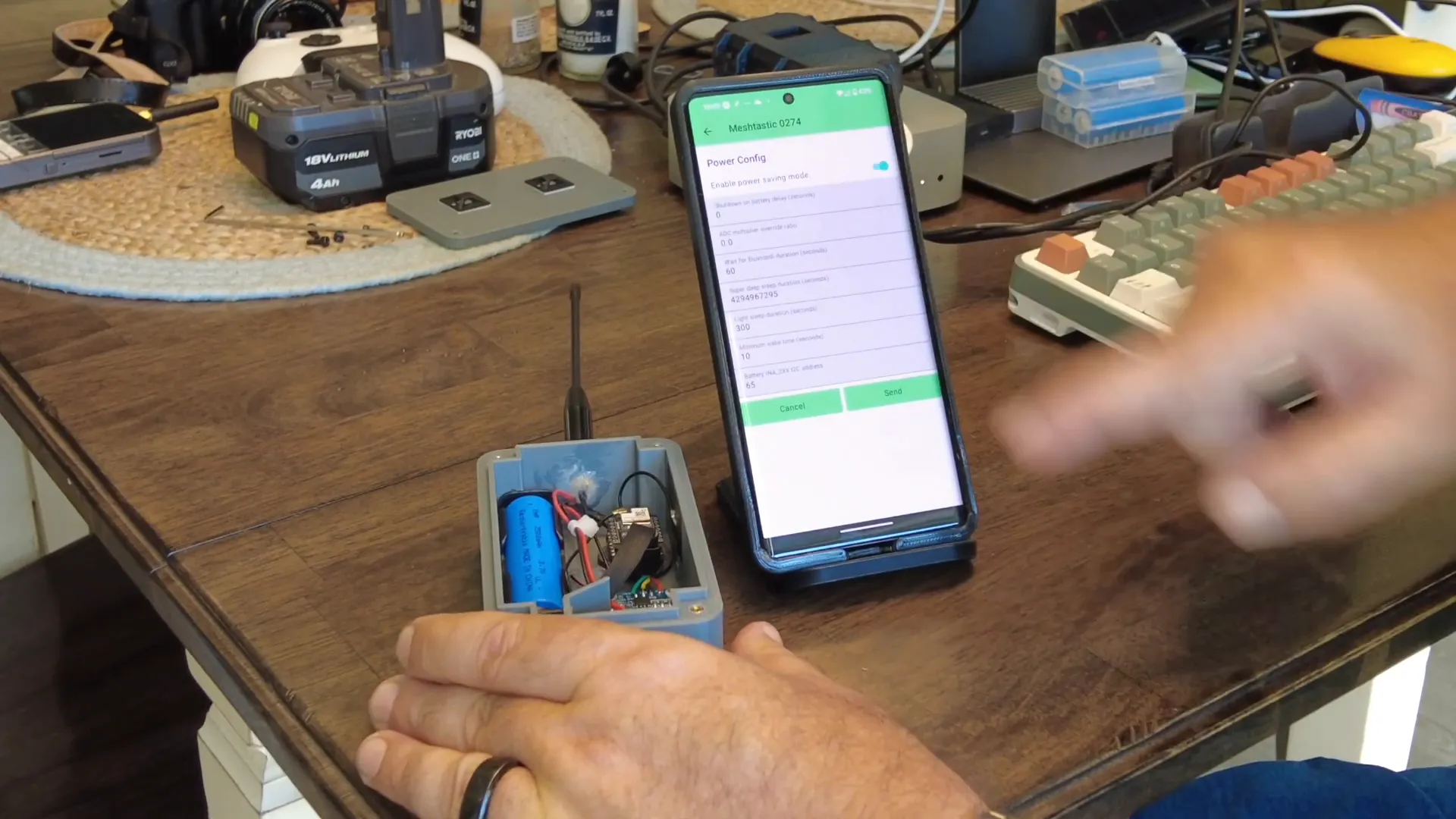
To combat the high power consumption of the S3 processor, energy-saving modes can be a game changer. The node can be configured to enter a light sleep mode, significantly reducing its power draw. In this mode, the processor can sleep for three hundred seconds and wake up for ten seconds to handle incoming packets.
This approach works well for sensor applications, where readings are taken intermittently. However, for a general solar node that retransmits packets, the effectiveness of this mode may be limited. If the node is located in a high-traffic area, it may not have the opportunity to sleep as often as needed.
Key Features of the Solar Node
- Compact Design: The solar node is incredibly small, making it easy to deploy in various environments.
- Solar-Powered: Equipped with a solar panel, it aims to operate independently without relying on traditional power sources.
- Monitoring Capabilities: The inclusion of an INA219 sensor allows for real-time monitoring of voltage and current, providing essential data for optimizing performance.
- USB Connectivity: The USB port facilitates easy charging and firmware updates, enhancing the node's functionality.
Monitoring Power with the INA219 Sensor
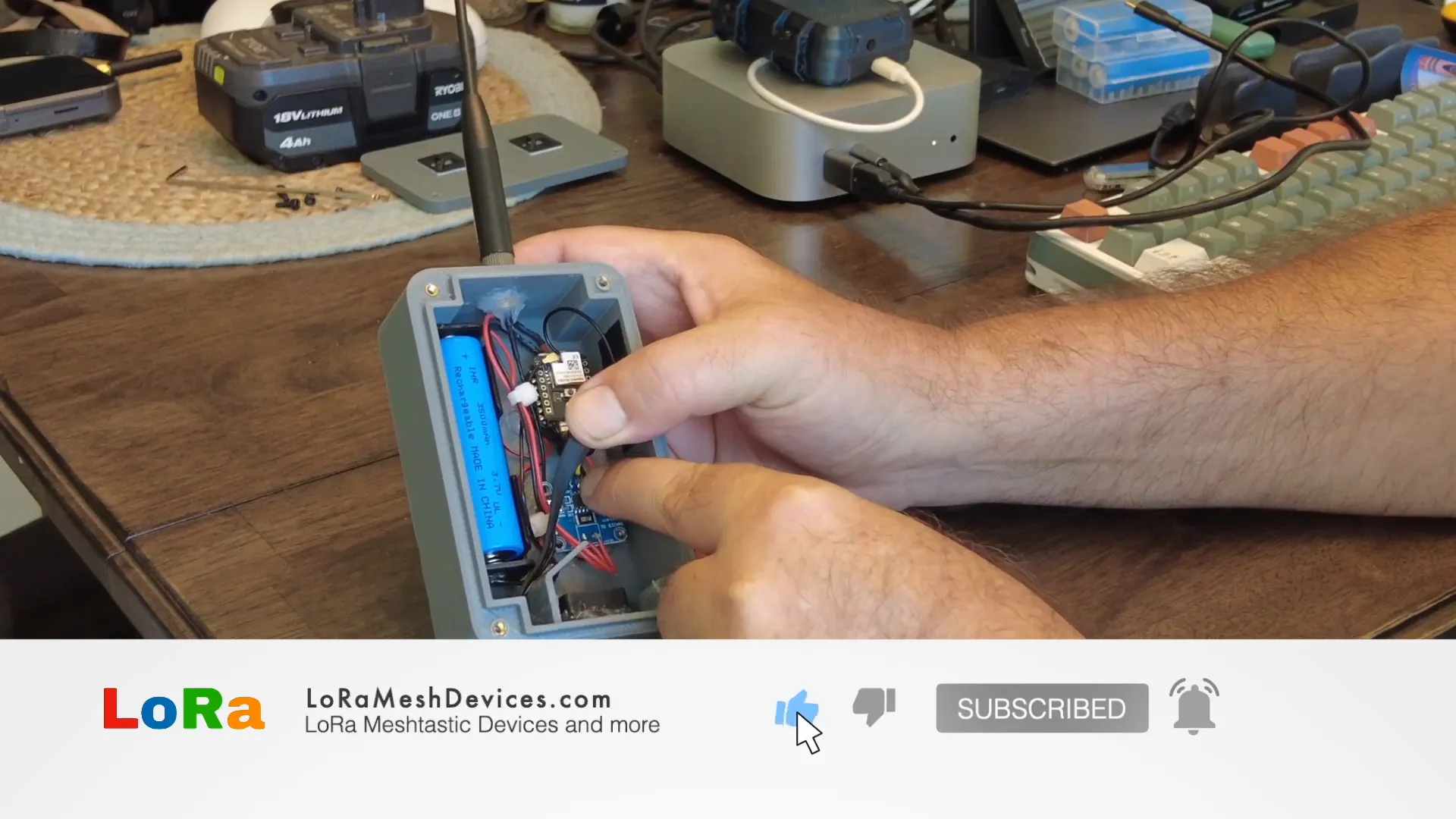
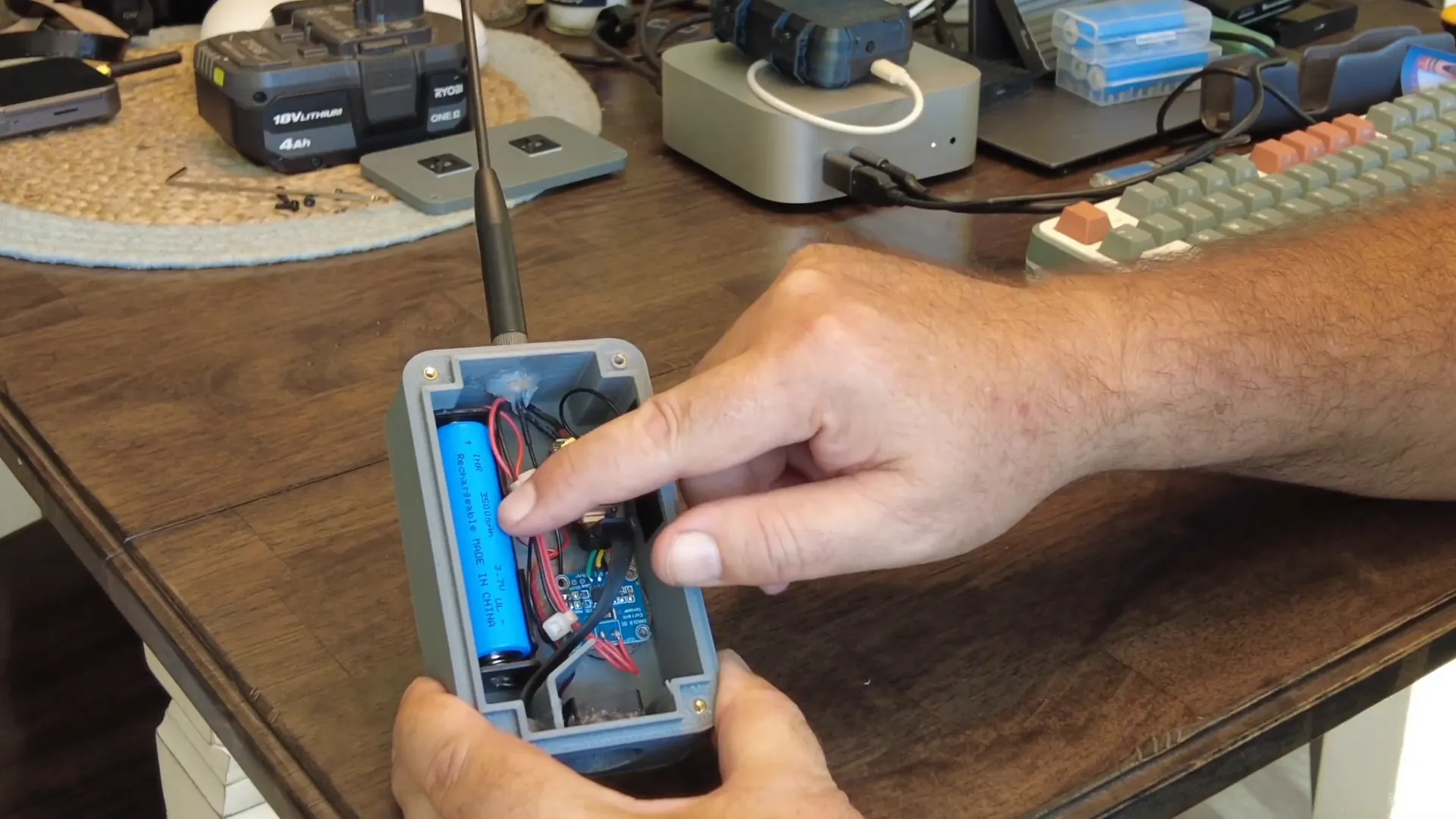
One of the standout features of this solar node is the INA219 sensor. This component plays a crucial role in monitoring the power draw and battery voltage. In devices like the S3 processor, where battery status isn’t inherently displayed, the INA219 provides vital insights.
By connecting the INA219 via I2C, we can track real-time power consumption and make informed decisions about energy management. This data is invaluable for ensuring the solar node remains operational and efficient, especially when faced with varying sunlight conditions.
Challenges of Charging and Power Draw
Charging the battery effectively presents its own set of challenges. The current charging circuit operates at one hundred milliwatts, which is insufficient for the demands of the S3 processor. To address this, a new charging chip capable of one amp is planned for installation. This upgrade will allow for faster charging, compensating for energy consumed during the night.
Without adequate charging capabilities, sustaining power levels becomes a daunting task. If the solar node draws too close to its charging threshold, it risks running out of power during cloudy days, leading to operational failures. Thus, improving the charging circuit is critical for the long-term success of this solar node experiment.
The Importance of Power Saving Configuration
Power saving configuration is essential in ensuring the longevity and efficiency of the solar node. By enabling sleep modes and optimizing the processor's activity, we can significantly reduce power consumption.
The S3 processor, while powerful, can be a burden on battery life. Implementing power-saving techniques allows us to extend operational time, especially in scenarios where sunlight may be limited.
Understanding Sleep Modes
Sleep modes allow the processor to conserve energy by reducing its operational state. In our setup, the S3 processor can be configured to enter light sleep for 300 seconds, waking only to handle incoming packets.
This means that during periods of inactivity, the node can significantly decrease its power draw, which is crucial for solar applications. However, the challenge lies in balancing the need for responsiveness with energy efficiency.
Testing and Observing Node Behavior
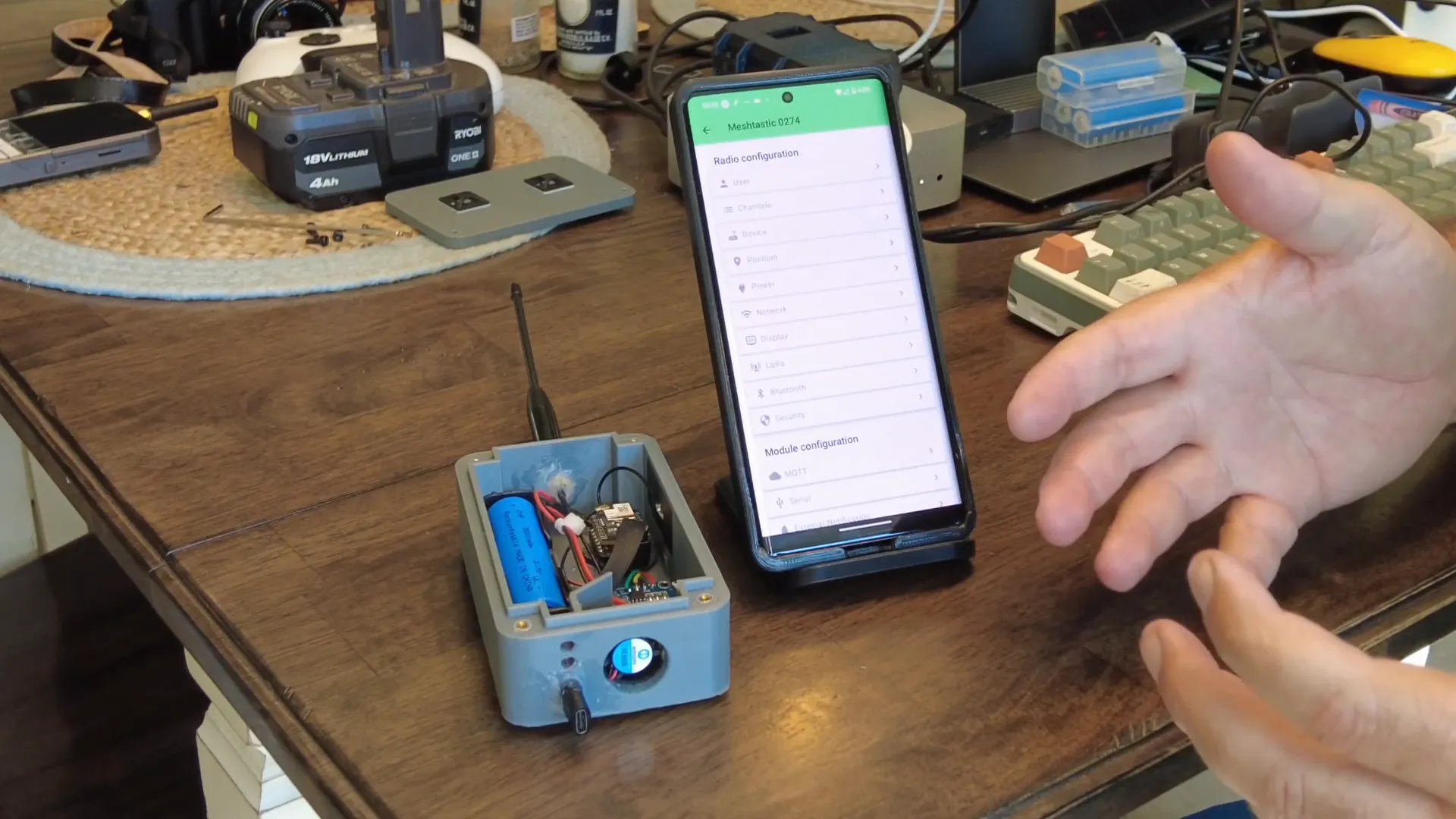
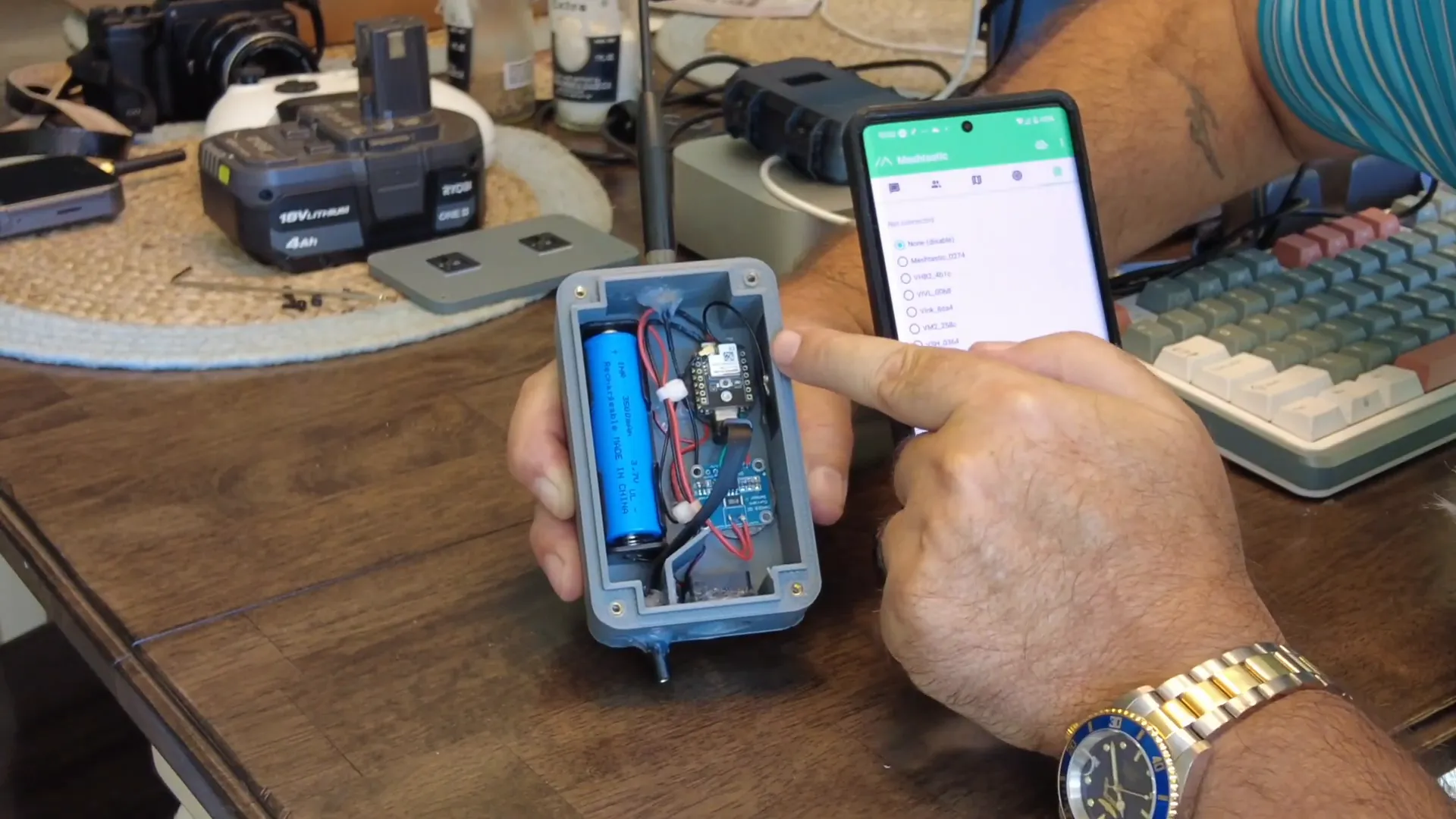
Testing the solar node under various conditions is vital. We need to observe how it behaves in different environments, especially with varying sunlight and traffic levels.
By simulating real-world scenarios, we can gather valuable data on its functionality and energy consumption. This data will help us refine the design and improve performance.
Data Collection Methods
Using the INA219 sensor, we can monitor the power draw in real-time. This sensor provides insights into both voltage and current, enabling us to make informed decisions about energy management.
Collecting data over time allows us to identify patterns in power consumption and assess the effectiveness of our power-saving strategies.
- Monitor Voltage: Keep track of battery voltage to ensure it remains within a safe range.
- Track Current Draw: Observe how much current the node consumes during various operations.
- Analyze Charging Efficiency: Evaluate how effectively the solar panel charges the battery under different conditions.
Wrap-Up: Lessons Learned from the Experiment
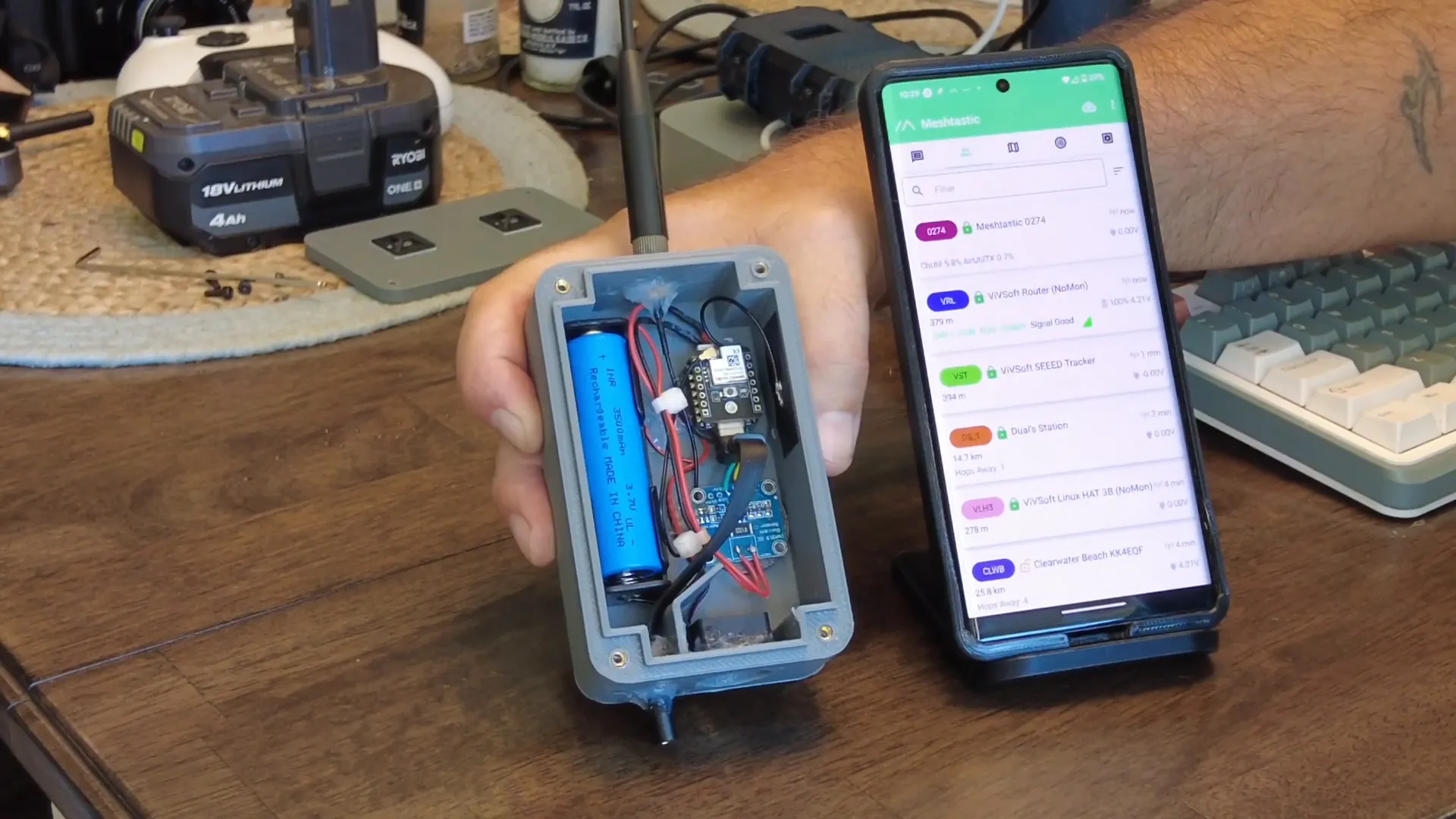
This experiment has provided valuable insights into the challenges of using the S3 processor in a solar-powered application. While we encountered issues with power consumption, we also discovered effective strategies to mitigate these challenges.
Key takeaways include the importance of optimizing power-saving configurations and the need for robust charging solutions. Addressing these aspects will be crucial for enhancing the sustainability of future solar nodes.
Future Steps and Recommendations
Looking ahead, several steps can be taken to improve the solar node's performance. Installing a new charging chip capable of delivering one amp will be a priority. This will allow for faster charging and better energy management.
Additionally, we will continue to test the power-saving configurations and refine the design based on real-world data. These improvements will help ensure that the solar node can operate effectively, even in less-than-ideal conditions.
Thank You for Watching
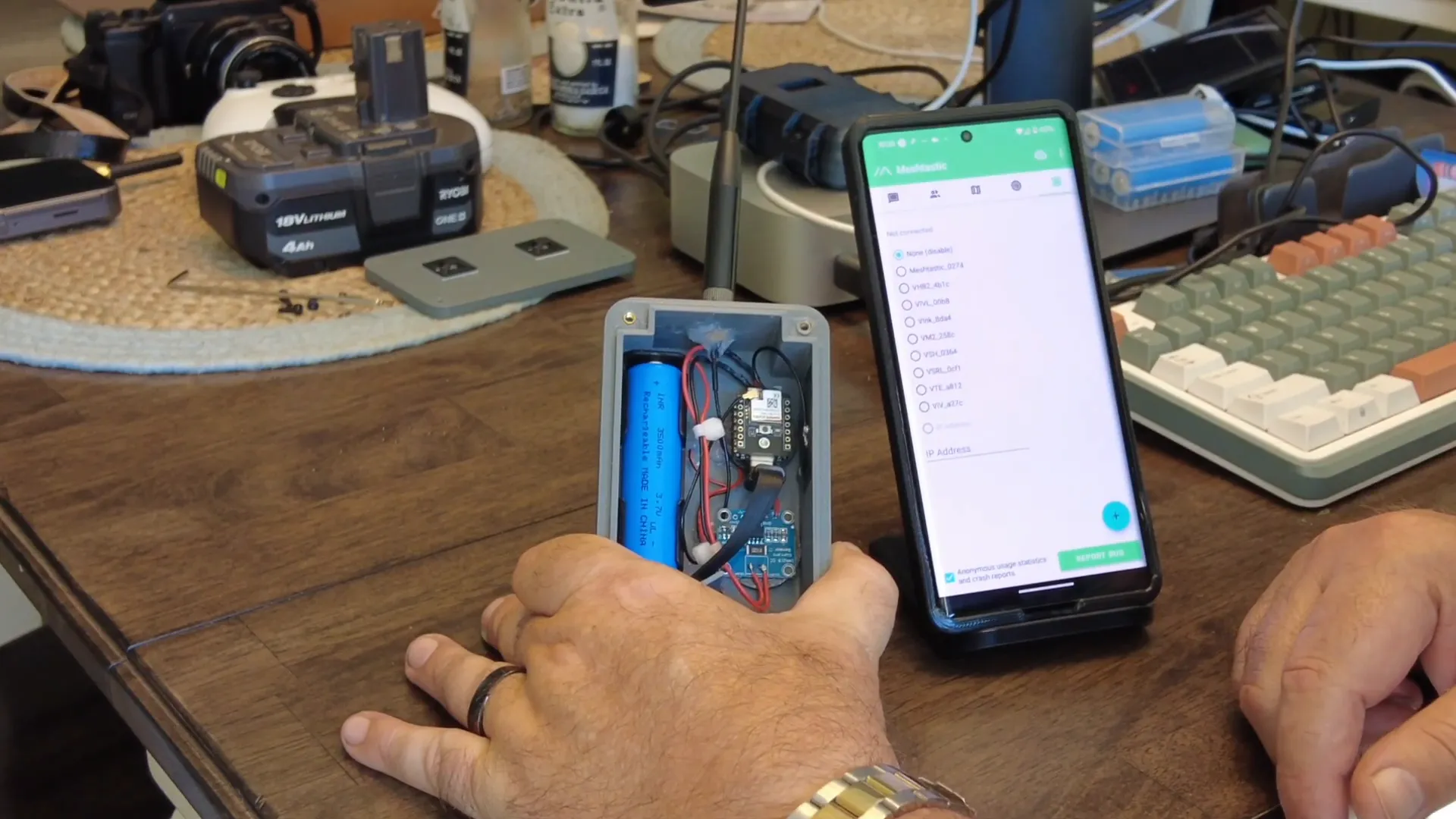
We appreciate your interest in this solar node experiment. Your support encourages us to continue exploring innovative solutions in renewable energy technology. Stay tuned for future updates and experiments!
FAQ
What is the expected battery life of the solar node?
The battery life can vary based on usage and environmental conditions. Under optimal conditions, a fully charged 3500mAh battery may last around 30-35 hours, but this can decrease significantly in low-light situations.
How does the solar panel charge the battery?
The solar panel charges the battery through a dedicated charging circuit. Currently, it operates at 100mW, which is being upgraded to improve efficiency and charging speed.
Can the node operate without direct sunlight?
Yes, but the performance will be limited. The node relies on solar energy, so extended periods without sunlight may deplete the battery quickly.