
Meshtastic on AA Batteries: Running a Heltec T096 for 24 Hours
Published by Vivian van Zyl in Meshtastic the 07/09/2026 at 04:14 pm

Meshtastic is all about practical communication when power and infrastructure are limited, so I wanted to try a simple question: can a Heltec T096 Meshtastic node run on ordinary alkaline AA batteries?
The built-in rechargeable 18650 setup already works well, but it depends on charging over USB C. That is fine most of the time. The interesting part is what happens when all you have lying around are a couple of standard AAs.
This was a straight-up experiment. Not a polished final build, not a recommendation that everyone should rip apart their node, just a useful test for off-grid communication, emergency backup ideas, and plain curiosity.
Table of Contents
- The idea behind the Meshtastic AA battery experiment
- Why a buck boost converter is necessary
- Opening the Heltec T096 case
- Mounting the AA holder on the back
- Managing the wiring inside the case
- First power-up on standard AA batteries
- Turning off GPS to stretch battery life
- How long did the Meshtastic node last?
- Adding a Schottky diode for protection
- What this means for Meshtastic emergency power
- Would I build a dedicated AA case?
- FAQ
The idea behind the Meshtastic AA battery experiment
The Heltec T096 normally runs from an internal 18650 rechargeable battery. That setup gives a few days of use, which is already pretty decent for a Meshtastic node.
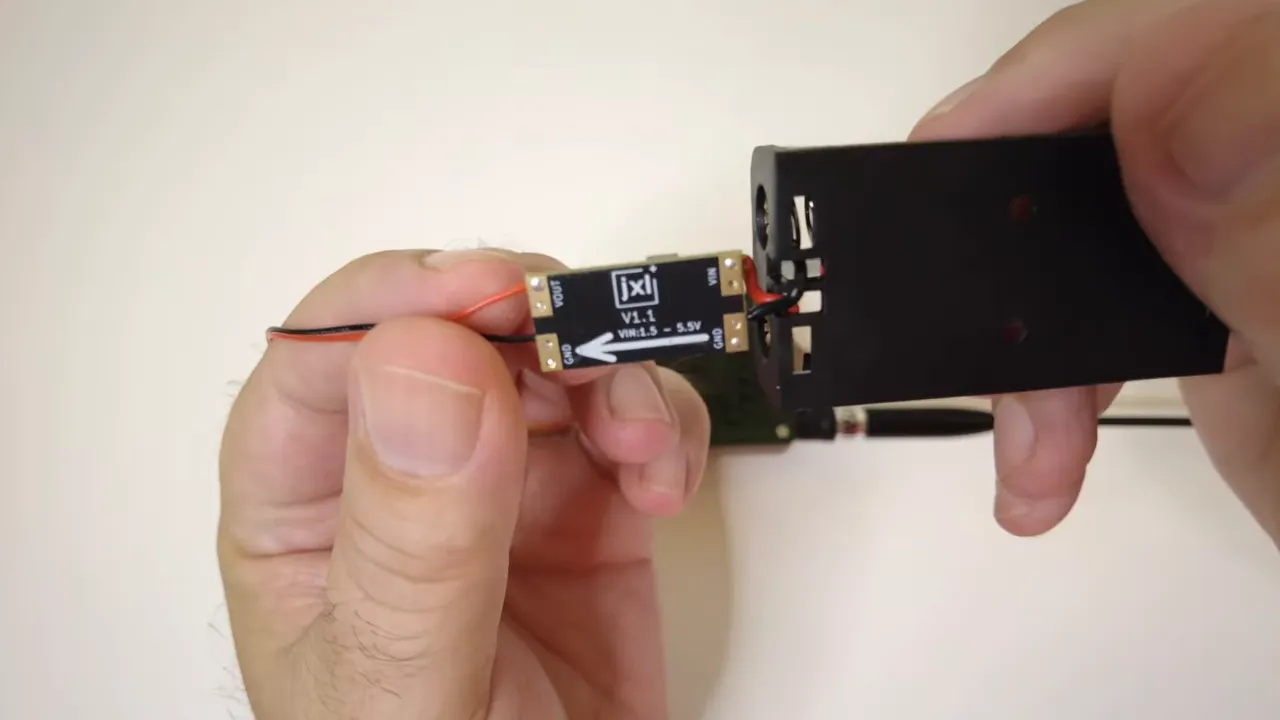
But two alkaline AA batteries only provide about 3 volts total, and that is not enough to run the T096 directly. So the whole experiment depended on one extra part: a buck boost converter.
Why a buck boost converter is necessary
A buck boost converter takes whatever input voltage you feed it and regulates it to a fixed output voltage.
In this case, the converter was set to 4.2 volts, which matches the voltage the internal battery normally provides to the Heltec T096.
That means:
- If the input is lower than 4.2 volts, it boosts it up.
- If the input is higher than 4.2 volts, it brings it down.
- The node still sees the voltage it expects.
So even though the two AA batteries only start around 3 volts combined, the converter can lift that to the level needed to keep the Meshtastic node alive.
For this test, the parts were simple:
- A Heltec T096
- An AA battery holder for two cells
- An XL63802 buck boost converter
- A Schottky diode added later for protection
Opening the Heltec T096 case
Before touching anything, I shut the node down properly from the device itself. On the T096, holding the function button for a few seconds powers it down cleanly.
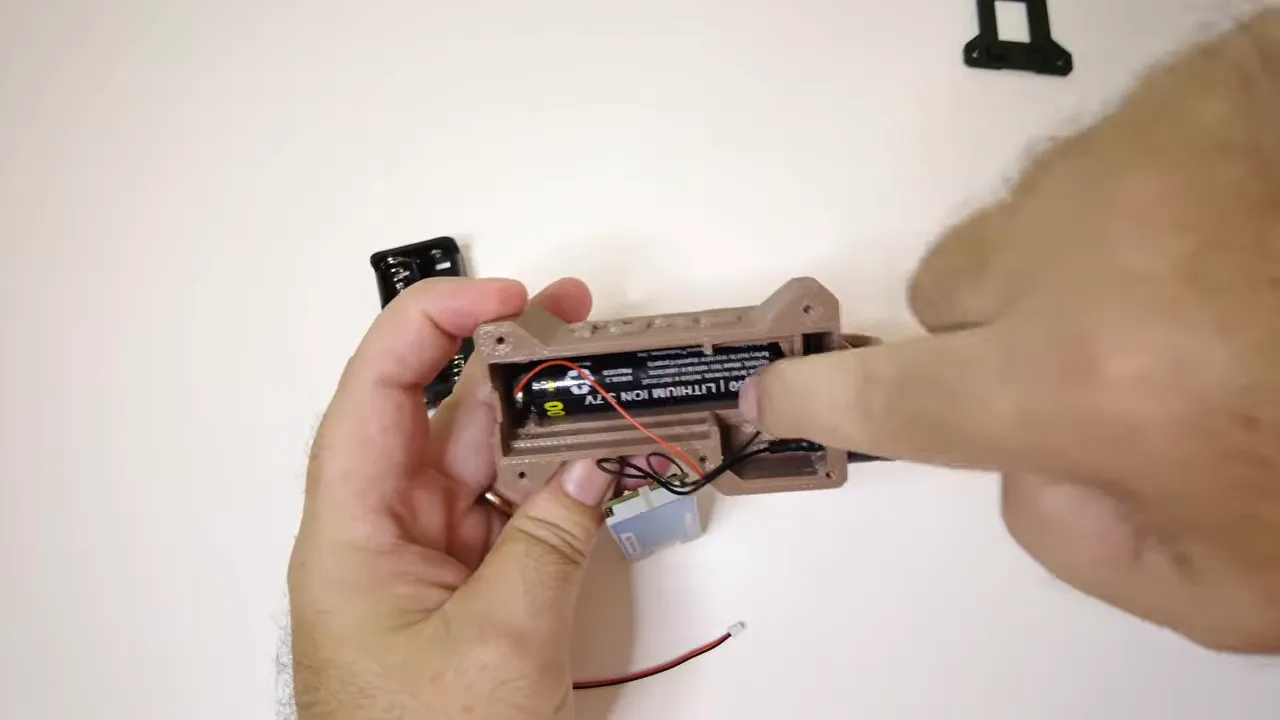
After that, the front screws came out and the case opened up. Inside, the original 18650 battery sits behind the board and powers the node through a small plug connection.
The plan was simple:
- Open the case.
- Disconnect the internal battery from the board.
- Mount the AA holder and converter on the back of the case.
- Route the new power lead into the case and plug it into the node.
Mounting the AA holder on the back
This was not meant to be a fancy permanent enclosure, so I used 3M double-sided tape to mount both the AA battery holder and the converter to the back of the case.
That made it fast to assemble and easy to remove later if needed. For a one-off Meshtastic power test, that was more than enough.
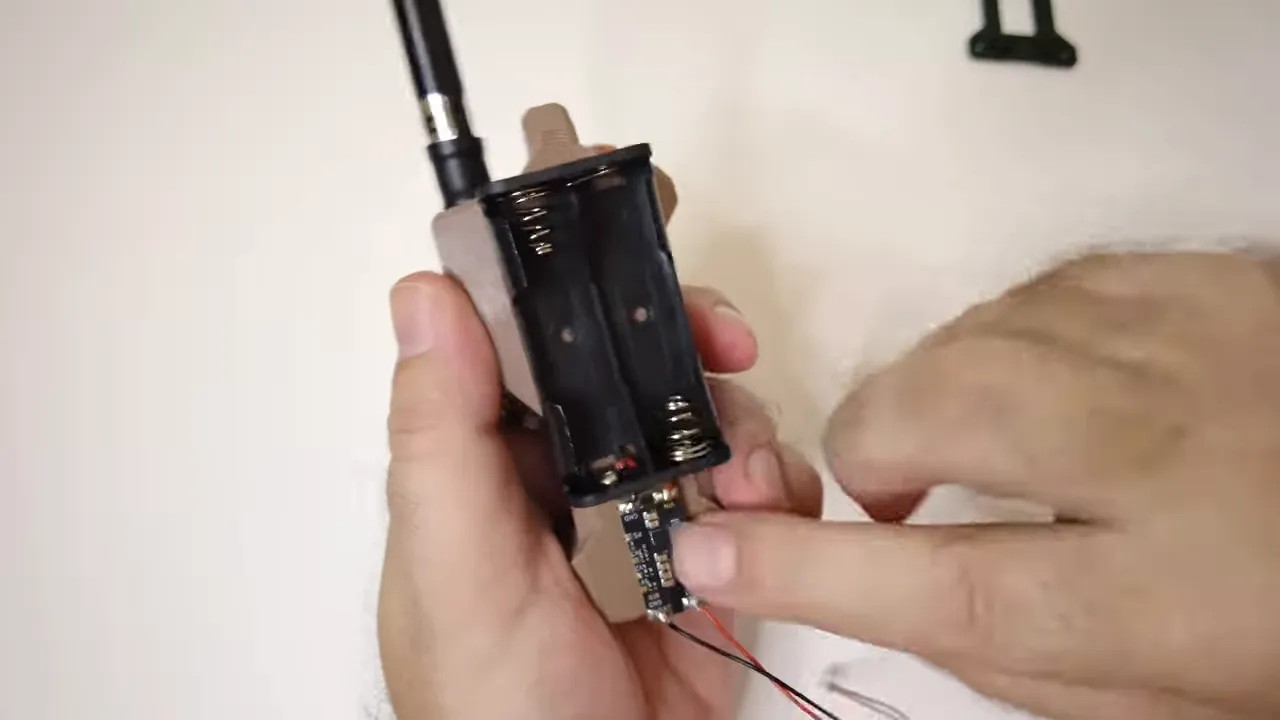
After mounting, the next step was connecting the power lead. The T096 has connectors for battery and solar, so I had to make sure the plug went into the correct battery input and that polarity was right. Those connectors are tiny, so it took a bit of care.
Managing the wiring inside the case
Once the new power lead was connected, the rest of the job was mostly cable management.
There were now extra wires from the AA holder and the buck boost converter that needed to fit around the board and still let the case close properly. Since this was an experiment, I was not trying to make it pretty. I was trying to make it safe enough and functional enough to test.
The wiring was tucked under the board, the node was reseated, and the cover went back on.
First power-up on standard AA batteries
With everything closed up, I dropped in two cheap Amazon Basics alkaline AA batteries and hit the power button.
And yes, it booted.
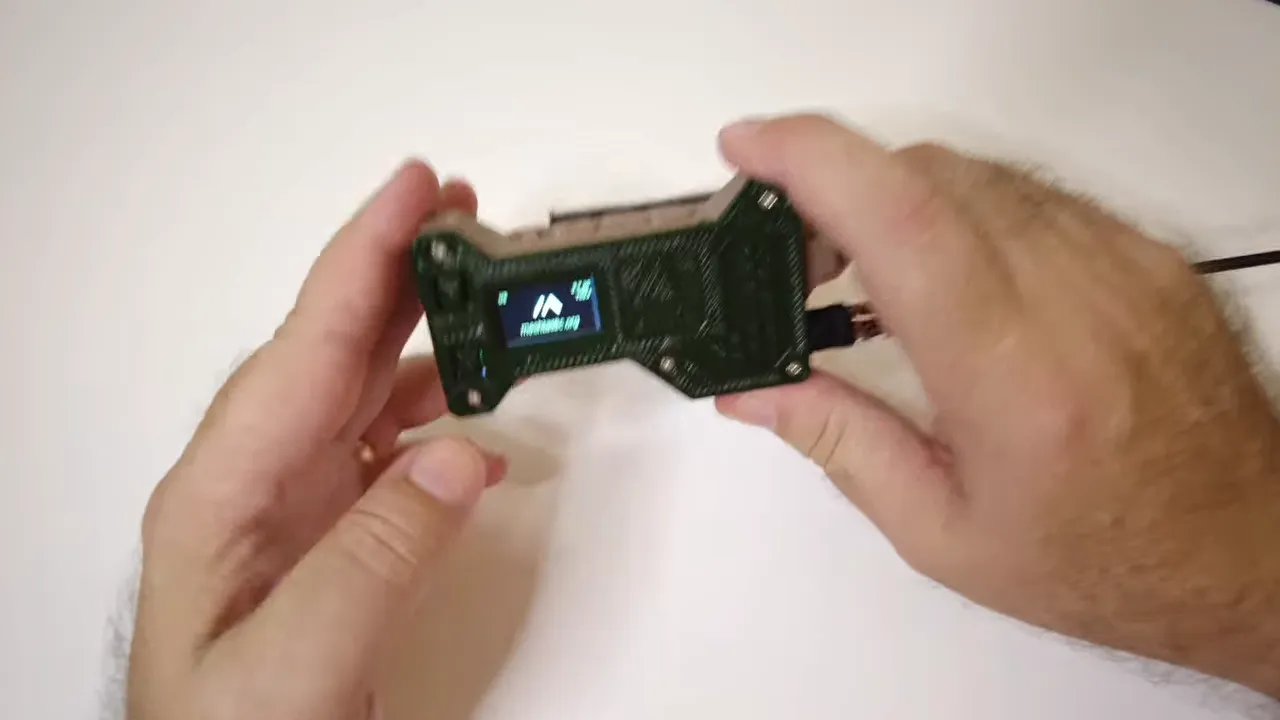
The Heltec T096 Meshtastic node came up and ran from two ordinary 1.5 volt batteries feeding through the converter. That alone made the test worth doing.
Turning off GPS to stretch battery life
As soon as the node was running, I disabled GPS.
That is an important part of the test, because GPS adds unnecessary power draw if the goal is simply to keep a Meshtastic node online for messaging and receiving traffic. Since I was testing battery endurance, it made no sense to leave GPS active.
After navigating to the GPS menu, I switched it off so the node would not keep searching for satellites.
How long did the Meshtastic node last?
After the initial setup, I left the node running and checked it at a few points.
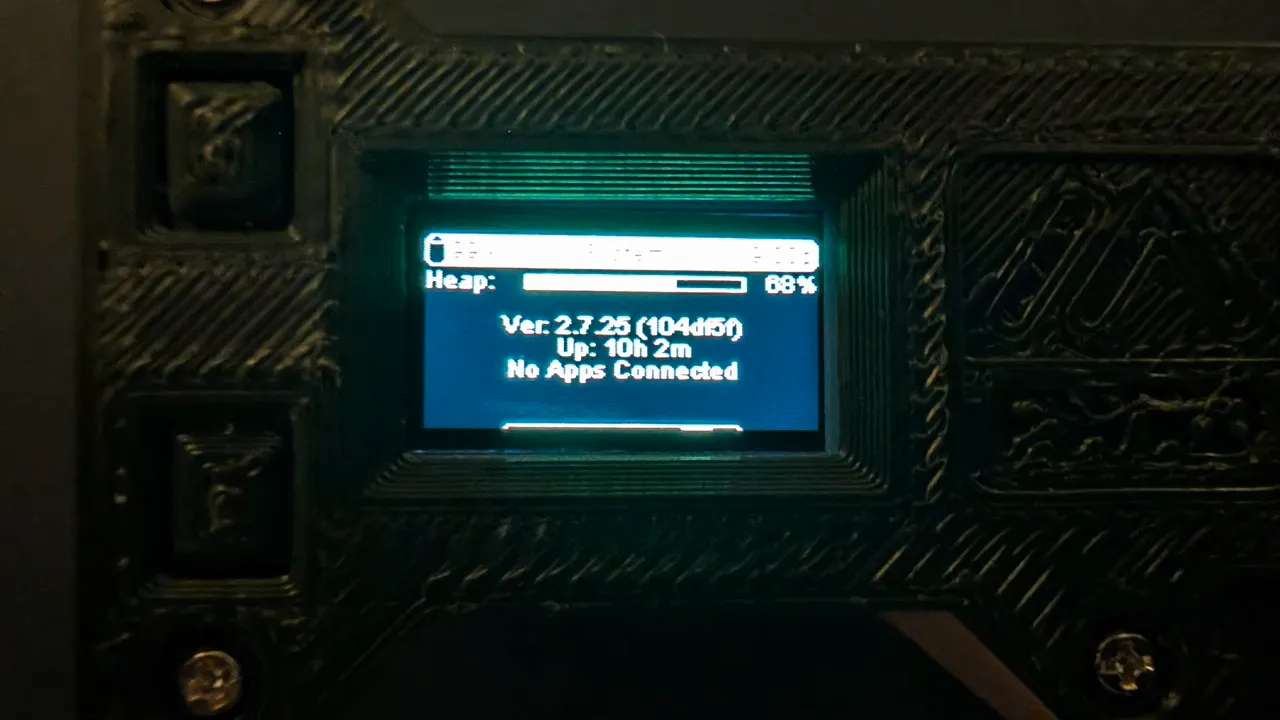
At 5 hours
The node was still up with about 5 hours and 9 minutes of uptime.
The battery reading was 2.91 volts.
At 10 hours
Later that night, it was still going.
The battery reading had dropped to 2.84 volts.
At 20 hours
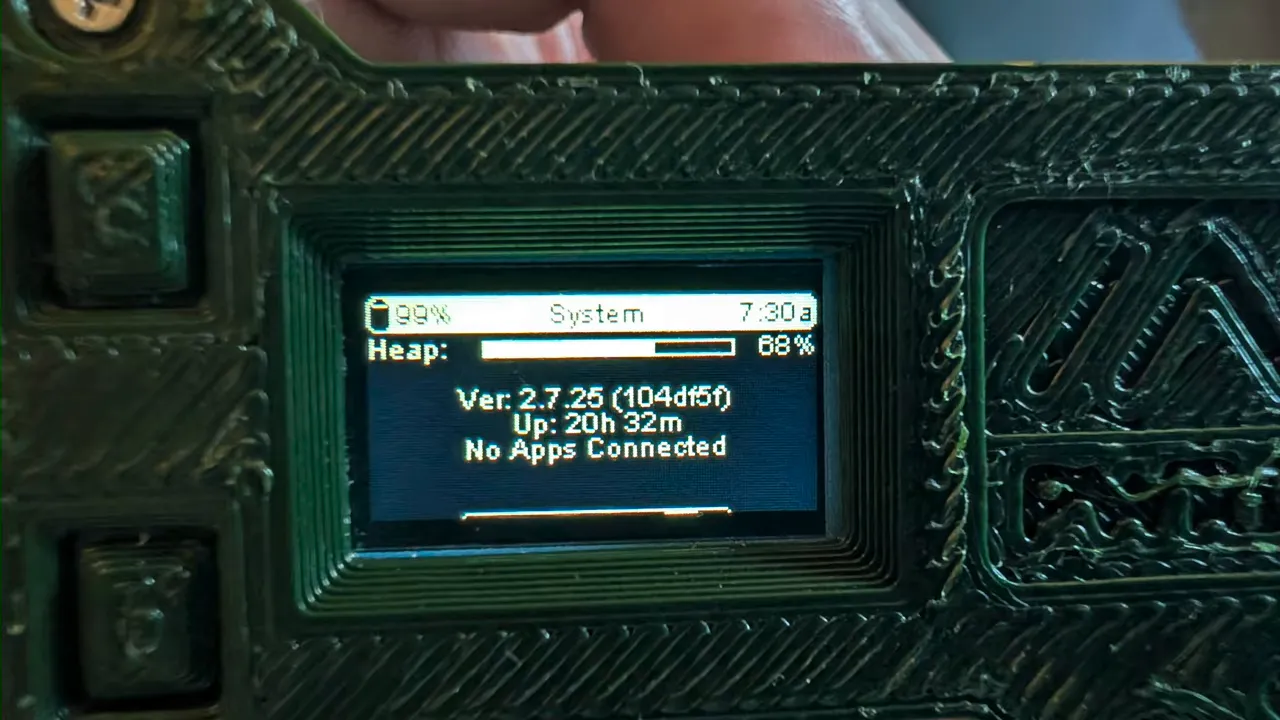
The next morning, the node was still running at around the 20-hour mark.
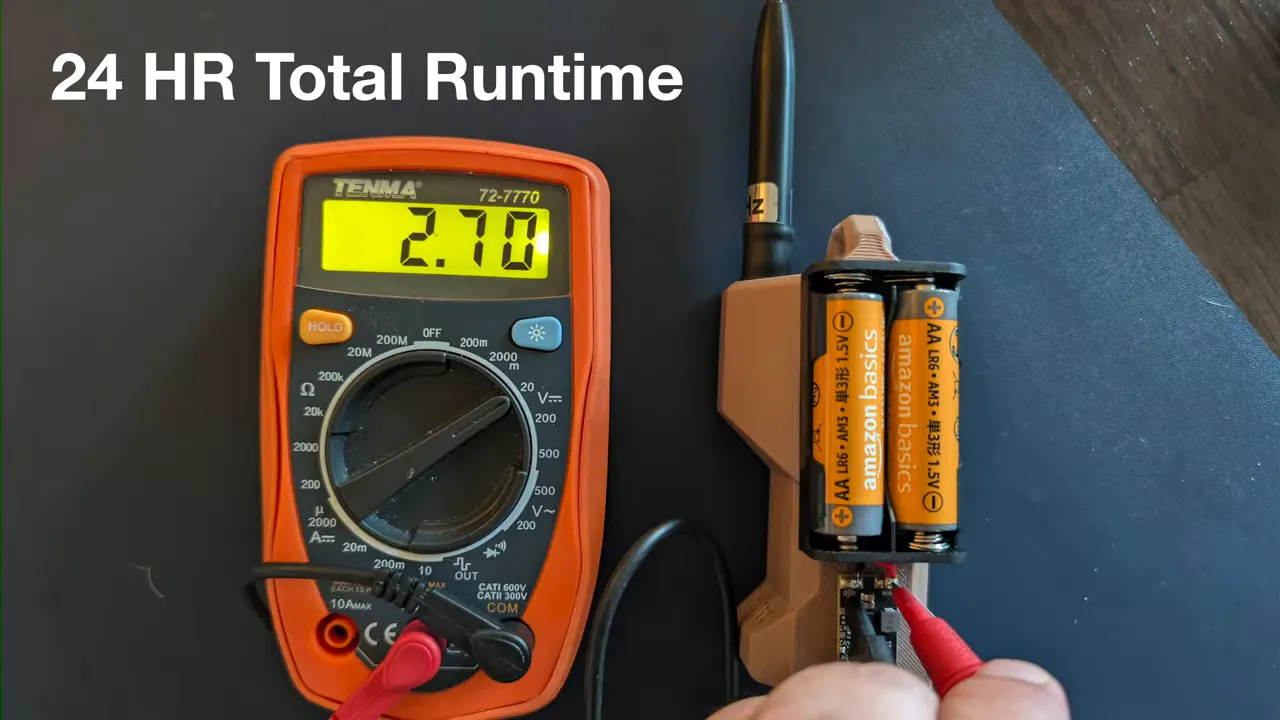
Voltage was down to roughly 2.7 volts.
Final result
The total runtime ended up being about 24 hours on just two alkaline AA batteries.
For a simple Meshtastic backup power hack using cheap cells, that is a genuinely useful result.
Adding a Schottky diode for protection
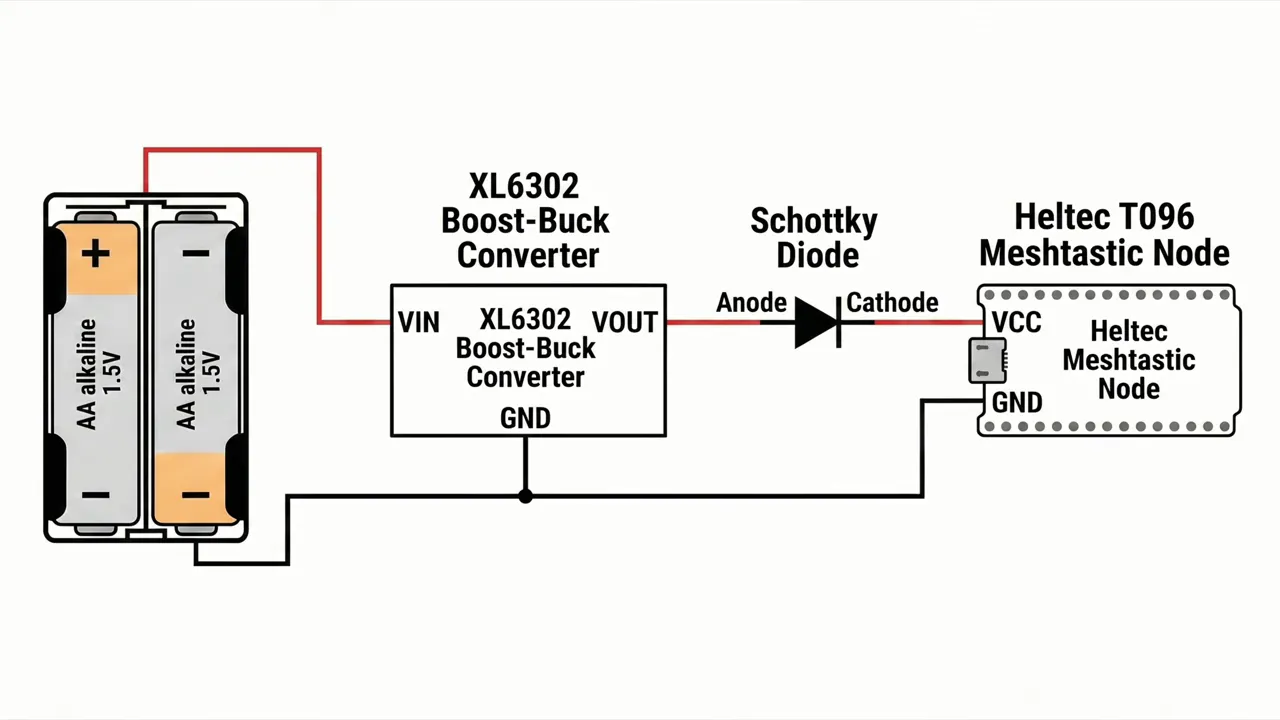
During the test, I ended up adding a Schottky diode to prevent unwanted feedback into the circuit.
This was not about boosting runtime. It was about protecting the setup and making sure power was flowing in the direction I wanted.
If you are experimenting with alternate Meshtastic power arrangements, this kind of detail matters. A quick test can still benefit from basic electrical protection.
What this means for Meshtastic emergency power
I would not treat this as a perfect daily-use power system. It is more of a practical fallback.
Still, it proves a few important things:
- A Heltec T096 Meshtastic node can run from standard AA batteries with the right converter.
- Disabling extra features like GPS helps extend runtime.
- Even cheap alkaline cells can keep a node going for around a day.
- This kind of setup could be useful when USB charging is unavailable.
That makes it interesting for:
- Emergency preparedness
- Off-grid communication kits
- Temporary field deployments
- Backup power when rechargeable packs are flat
Would I build a dedicated AA case?
Maybe.
The test worked well enough that a custom case designed around two AA batteries would make sense. A cleaner enclosure, better wire routing, and built-in protection would turn this from a bench experiment into a much nicer Meshtastic portable option.
If you want to explore more hardware like this, you can check out LoRaMeshDevices for Meshtastic gear and related parts.
FAQ
Can a Meshtastic node really run on two AA batteries?
Yes, in this test the Heltec T096 Meshtastic node ran on two alkaline AA batteries by using a buck boost converter set to 4.2 volts.
How long did the Heltec T096 run on AA batteries?
The total runtime was about 24 hours.
Why was a buck boost converter needed?
Two AA batteries only provide about 3 volts together, which is too low for the node. The converter raises that to a steady 4.2 volts so the T096 gets the voltage it expects.
Why turn off GPS on the Meshtastic node?
GPS draws extra power. Turning it off helps the batteries last longer when the goal is keeping the node available for messaging and mesh traffic.
Was a diode part of the final setup?
Yes. A Schottky diode was added later to prevent feedback and provide basic protection for the test circuit.
Is this better than the built-in rechargeable battery?
No, not as a normal everyday solution. The internal rechargeable setup is still the better standard option. This AA approach is more useful as a backup or emergency Meshtastic power workaround.